
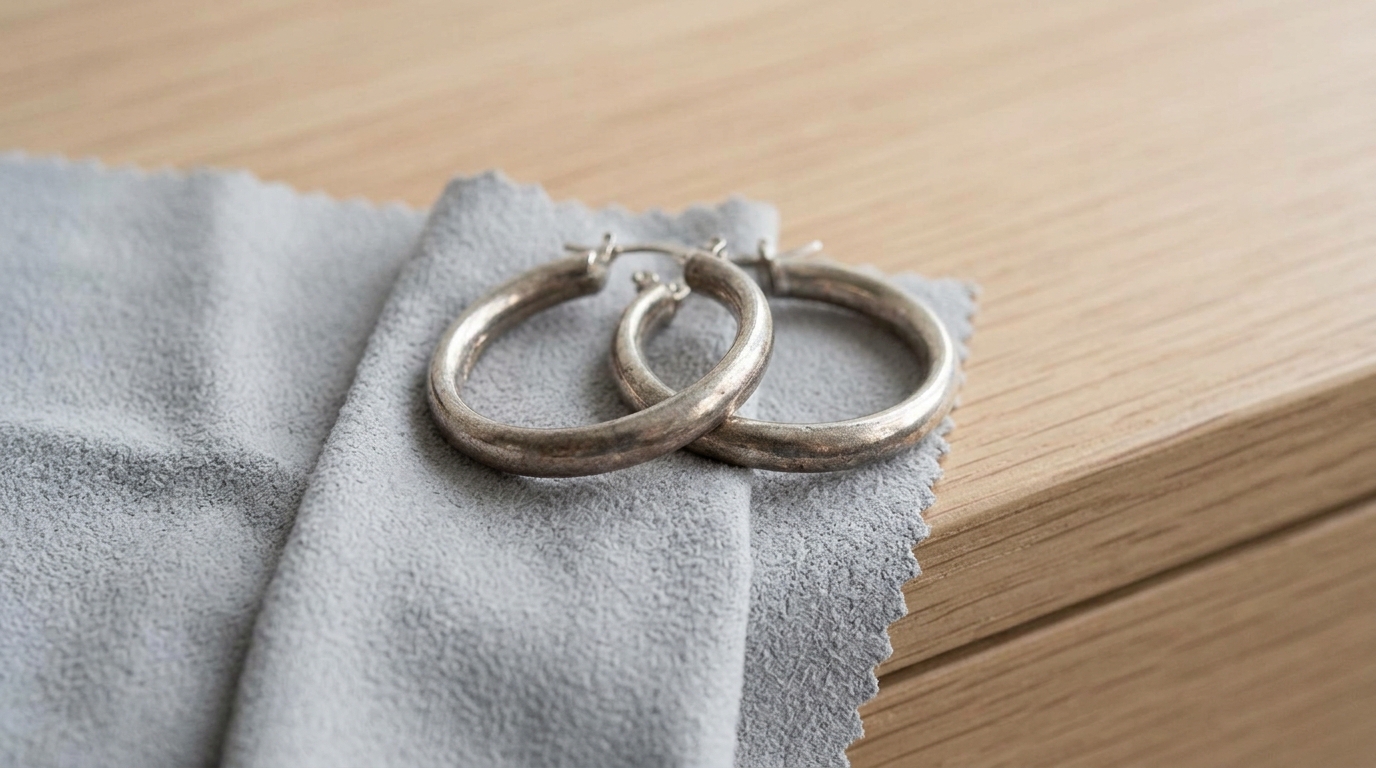
Many people love wearing precious metal accessories because these gleaming pieces beautifully complement almost any stylish outfit choice. However, chemical reactions with the surrounding air eventually cause your favorite rings and necklaces to lose their original luster. Fortunately, learning how to clean silver jewelry at home preserves your precious collection in pristine condition for many decades. You do not need expensive commercial chemical cleaners to restore that gorgeous, eye-catching shine to your personal collection. This comprehensive guide outlines the safest, most effective techniques for maintaining your valuable metal treasures with absolute ease.
Understanding the Enemy: Why Tarnish Happens
The Chemistry of Surface Oxidation
Pure silver resists oxidation quite well, but manufacturers mix it with stronger metals like copper to increase durability. This specific mixture creates sterling silver, which reacts readily with microscopic traces of sulfur in the atmosphere. Consequently, a thin layer of dark silver sulfide gradually forms on the exposed surface of your beautiful rings. This natural chemical process darkens the metal and masks the brilliant reflection that you love so much. Therefore, regular preventive maintenance remains vital if you wish to keep your collection looking brand new.
Common Everyday Tarnish Triggers
Many ordinary household items accelerate the darkening process of your precious metal accessories far more than you realize. For instance, cosmetic products like hairsprays, heavy perfumes, and body lotions contain sulfur compounds that speed up oxidation. Similarly, swimming pools contain harsh chlorine chemicals that dull the metallic finish almost immediately upon direct contact. Even your natural skin oils and perspiration contribute to the gradual accumulation of grime over several months. For that reason, you should always remove your accessories before swimming or applying beauty products.
+-------------------+------------------------------------------+
| Tarnish Trigger   | Main Chemical Component Impact           |
|-------------------|------------------------------------------|
| Swimming Pools    | Chlorine strips the protective finish    |
| Cosmetics/Perfume | Sulfur compounds accelerate oxidation     |
| Human Sweat       | Moisture and salts dull the surface      |
+-------------------+------------------------------------------+
The Gentle Touch: Mild Soap and Water Method
Preparing the Perfect Cleaning Solution
You should always choose the gentlest possible cleaning method before attempting stronger chemical treatments on your valuable pieces. To begin, fill a small ceramic bowl with warm water from your kitchen or bathroom faucet. Next, add a few drops of mild, ammonia-free dishwashing liquid to create a soapy bath. Mix the solution thoroughly with a spoon until small bubbles form on the surface of the water. This simple, inexpensive mixture breaks down daily oils and surface grime without scratching the delicate metal underneath.
The Soaking and Scrubbing Process
Place your dull rings and chains into the soapy water and let them soak for fifteen minutes. This soaking period softens stubborn dirt particles that accumulate inside intricate filigree patterns and deep metal crevices. Afterward, lift each piece individually and gently scrub the surface with a very soft baby toothbrush. You must avoid using stiff bristles because hard plastic can leave permanent, microscopic scratches on the polished metal. Pay close attention to the back of pendants where dirt collects most frequently over time.
The Magic of Science: The Aluminum Foil Technique
Setting Up the Electrochemical Reaction
This fascinating method utilizes basic chemical principles to reverse tarnish without requiring any abrasive scrubbing action at all. First, line the entire inside bottom of a glass baking dish with a sheet of ordinary aluminum foil. Place your tarnished metal pieces directly on top of the foil, ensuring each item touches the shiny surface. Meanwhile, boil a few cups of tap water in a kettle on your kitchen stove. This clever setup prepares the ideal environment for a rapid, highly effective electrochemical transfer process.
Activating the Cleaning Bath
Sprinkle one tablespoon of baking soda evenly over the jewelry items resting inside the lined baking dish. Next, carefully pour the hot boiling water into the dish until it completely submerses every single piece. You will immediately notice a bubbling reaction and a distinct sulfur aroma rising from the hot water bath. During this reaction, the sulfur atoms transfer directly from the silver surface onto the aluminum foil sheet. Leave the items in the bubbling solution for five minutes before removing them with plastic tongs.
“The aluminum foil method relies on an electrochemical reaction that actually transfers sulfur away from silver, restoring the metal without removing any actual silver content.” — Jewelry Care Journal
Kitchen Pantry Remedies for Instant Shine
Creating a Baking Soda Paste
For heavily oxidized pieces that require a slightly stronger treatment, ordinary baking soda works wonders as a gentle polish. Mix three parts of baking soda with one part of clean water to form a thick paste. Apply a small dollop of this paste onto a soft microfiber cloth and gently rub the metal. Move the cloth in straight, linear motions rather than circular patterns to prevent creating noticeable swirl marks. This mild abrasive compound lifts dark stains quickly, revealing the brilliant, clean surface hidden underneath the tarnish.
The Surprising Power of White Vinegar
Pure white vinegar combined with baking soda offers another spectacular home remedy for restoring dull jewelry pieces. Pour half a cup of distilled white vinegar into a small jar and add two tablespoons of baking soda. Soak your tarnished rings and bracelets in this fizzing mixture for approximately two to three hours. This extended soaking time allows the mild acid to dissolve deep oxidation without harming the durable metal base. Finally, rinse each piece thoroughly under cool running water to remove any remaining acidic residue completely.
Caring for Delicate Gemstones
Identifying Sensitive Stones
You must exercise extreme caution when cleaning silver pieces that feature beautiful embedded gemstones or organic pearls. Soft stones like turquoise, opal, amber, and pearls possess highly porous structures that absorb liquid cleaners very easily. Consequently, harsh chemicals and hot water can permanently discolor these delicate stones or crack them beyond repair. You should never submerge these specific items in the baking soda or boiling water mixtures mentioned previously. Instead, these fragile treasures require a much more controlled, localized cleaning approach to guarantee their safety.
Safe Localized Cleaning Techniques
To clean a gem-encrusted ring safely, dip a soft cotton swab into a very dilute soapy water solution. Carefully wipe the metal portions of the ring while avoiding direct contact with the set gemstone itself. Use a second cotton swab moistened with plain water to rinse away any soapy residue from the metal. Afterward, dry the entire piece immediately with a soft lint-free cloth to prevent water spots from forming. This meticulous method protects the structural integrity of your fragile gemstones while refreshing the surrounding silver framing beautifully.
The Art of Drying and Polishing
Eliminating Hidden Moisture
Proper drying represents a crucial step that many people unfortunately overlook during the jewelry cleaning process at home. Leftover moisture trapped inside clasps and behind gemstones accelerates the return of dark tarnish within a few days. Therefore, you should blot your clean pieces thoroughly with a soft, absorbent cotton towel immediately after rinsing. Allow the items to air-dry completely on top of a dry cloth for one hour before storage. This complete dryness ensures that your hard work preserves the brilliant metallic shine for a very long time.
Utilizing Professional Polishing Cloths
Once your accessories are completely dry, you can maximize their reflection by using a specialized jewelry polishing cloth. These double-layered cloths contain non-toxic professional polishing compounds embedded directly within the soft inner cotton fibers. Gently buff the exterior surfaces of your rings and chains until the metal mirrors your reflection perfectly. Use the clean outer layer of the cloth to remove any remaining compound particles from the shiny metal. This final buffing stage provides a smooth, protective barrier that repels dust and atmospheric moisture effectively.
Smart Preventive Habits for Daily Wear
The Order of Dressing Up
You can drastically reduce the frequency of your deep cleaning sessions by adjusting your daily morning dressing routines. Always make your jewelry pieces the absolute last items that you put on before leaving your home. This clever habit ensures that your perfume, makeup, and hairspray settle completely before encountering the reactive metal surface. Conversely, your precious accessories should be the very first items that you remove when returning home at night. This simple practice prevents accidental exposure to household cleaning chemicals and evening skincare products.
Proper Daily Storage Solutions
Exposing your collection to open bedroom air and high bathroom humidity causes rapid, unnecessary tarnish formation over time. Instead, store your clean accessories inside individual airtight plastic zip bags to minimize contact with atmospheric oxygen. Place a small packet of silica gel or a piece of chalk inside the storage box. These simple household items absorb harmful moisture from the air, keeping the storage environment perfectly dry and safe. Proper storage preserves the beautiful finish of your favorite pieces, saving you valuable time and effort.
Professional Cleaning: When to Seek Help
Recognizing Antique Value
Valuable antique family heirlooms often feature a dark, deliberate patina that highlights historical craftsmanship and intricate engraving details. Over-cleaning an old antique ring can accidentally strip away this valuable character and reduce its market value significantly. Professional appraisers actually prefer the natural aged look of historic silver over an artificially polished, mirror-like modern finish. Therefore, you should always consult a professional jeweler before attempting to clean any valuable multi-generational heirloom. Experts possess the specialized knowledge required to preserve the historic integrity of old metalwork perfectly.
Dealing with Structural Damage
If you notice loose gemstones, bent prongs, or broken clasps during the cleaning process, stop immediately. Attempting to scrub a damaged piece can dislodge fragile stones or worsen existing cracks in the metal joints. A professional jeweler can safely clean the piece while repairing any structural defects using specialized lasers and tools. Additionally, they can apply a thin protective layer of rhodium to prevent future tarnish formation completely. Investing in professional maintenance occasionally ensures that your most valuable treasures remain secure and beautiful forever.
Conclusion: Longevity Through Consistent Care
Maintaining a brilliant jewelry collection does not require immense wealth or hours of grueling labor every week. By understanding how to clean silver jewelry safely, you empower yourself to protect your favorite accessories effortlessly. Simple kitchen ingredients like mild dish soap, baking soda, and aluminum foil deliver spectacular, professional-grade results. Consistent preventive habits and proper airtight storage keep your rings, necklaces, and bracelets shimmering with spectacular radiance. Treat your precious metal pieces with love, and they will brilliantly reflect your personal style for generations.