
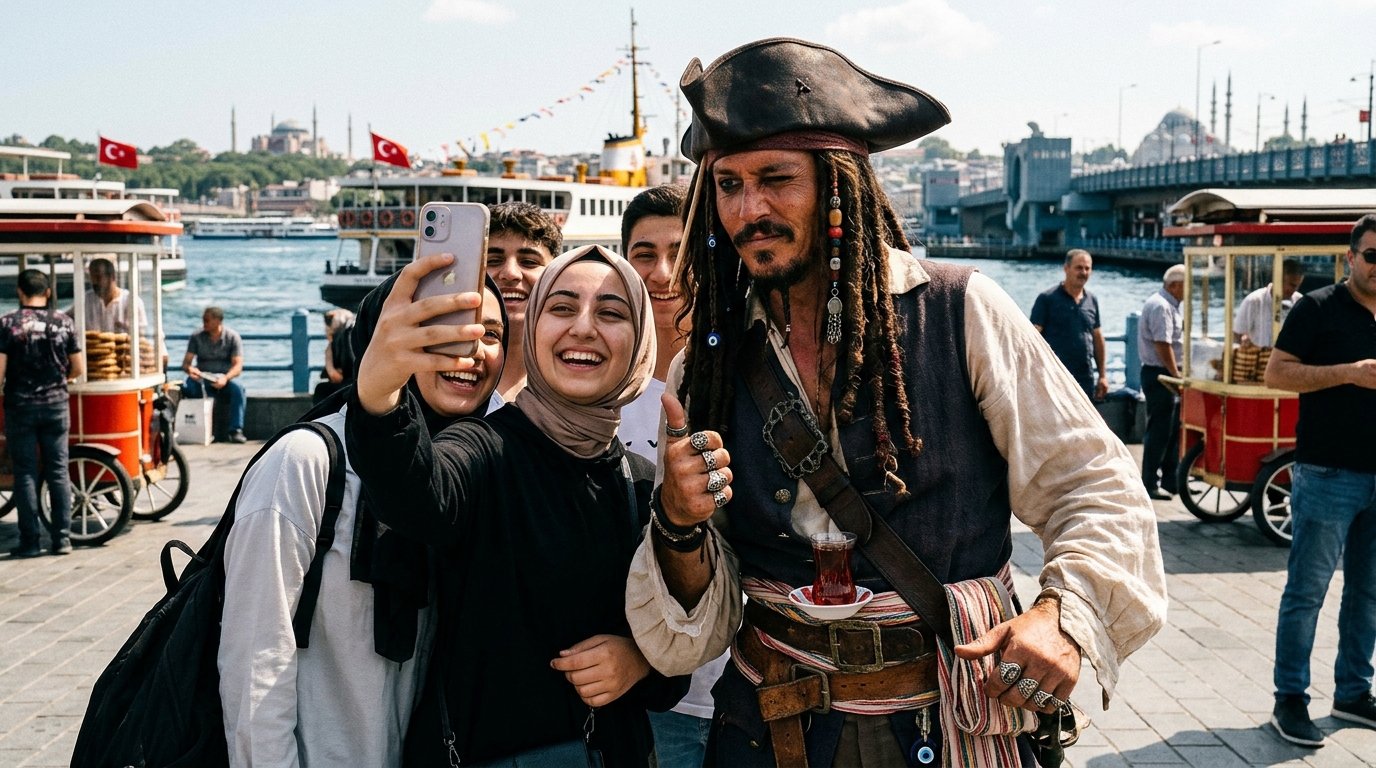
Jack Şoparov did not begin as a historical pirate or a Hollywood character with an official backstory. Instead, this name emerged from Turkish social media as a clever, humorous reimagining of Captain Jack Sparrow. Consequently, understanding Jack Şoparov means understanding internet culture, wordplay, and how memes travel across language and geography. This article explores where this playful nickname came from, why it resonates so strongly online, and what it reveals about digital creativity today.
Where the Name Jack Şoparov Actually Comes From
The Jack Şoparov trend traces directly back to Captain Jack Sparrow, the beloved character from Disney’s Pirates of the Caribbean franchise. Turkish internet users took the familiar surname “Sparrow” and transformed it into “Şoparov” instead. Additionally, this small linguistic shift gives the name a distinctly Turkish, and even slightly Eastern European, feel. Therefore, the joke works because it keeps “Jack” instantly recognizable while localizing the surname into something new entirely.
Furthermore, the “ş” character plays a crucial role in making this wordplay land so effectively for Turkish speakers. This letter appears frequently in Turkish, giving “Şoparov” an authentic linguistic texture despite its playful, invented nature. Consequently, the name feels simultaneously familiar and freshly reinvented, which explains much of its comedic appeal. This kind of creative renaming reflects a broader pattern seen across meme culture worldwide, where global icons get reimagined through local linguistic lenses.
The Fictional Framing Behind the Joke
Sometimes, online creators refer to this character as “Kaptan Jack Şoparov,” adding a fuller, more formal-sounding Turkish version of the name. Additionally, some posts playfully suggest he represents Sparrow’s Turkish cousin or an imagined Ottoman-era counterpart to the Hollywood pirate. Therefore, this framing adds another layer of humor, blending historical imagination with modern meme sensibilities. The joke leans into absurdity rather than attempting any genuine historical or biographical accuracy.
Moreover, this approach fits a familiar pattern within meme culture, where creators enjoy inventing playful mythologies around fictional characters. Rather than presenting Jack Şoparov as a real or officially canonical figure, most creators treat him as an inside joke. Consequently, the humor depends entirely on audiences recognizing the reference to the original Jack Sparrow character. Without that shared cultural knowledge, the wordplay and comedic framing would lose much of their effectiveness.
Why This Kind of Meme Spreads So Effectively
Memes like Jack Şoparov succeed because they combine instant recognizability with clever, localized humor that feels genuinely original. Audiences immediately understand the reference to Captain Jack Sparrow, yet the Turkish twist offers something unexpected and delightfully new. Additionally, this formula works particularly well on visual and short-form platforms, where quick recognition matters enormously for engagement. Therefore, platforms like TikTok, Instagram, and Twitter provide ideal environments for jokes like this one to flourish.
Furthermore, localized meme humor often creates strong senses of cultural ownership and shared identity among specific audiences. Turkish social media users can enjoy an inside joke that feels distinctly theirs, even while referencing globally recognized source material. Consequently, this blend of global familiarity and local specificity helps explain why Jack Şoparov resonated so strongly within Turkish online spaces. Similar patterns appear across other cultures, where global pop culture references get reworked into region-specific comedic variations.
The Role of Short-Form Video Platforms
Additionally, short-form video content played a significant role in helping this joke spread beyond text-based social media posts. Creators produced quick sketches, voiceovers, and visual gags built around the Jack Şoparov concept, amplifying its reach considerably. Therefore, the meme evolved from a simple name pun into a broader, multimedia comedic phenomenon across several platforms. This evolution demonstrates how modern internet humor rarely stays confined to a single format or platform for long.
How Fan Creativity Sometimes Blurs Fact and Fiction
Interestingly, some fan-made content surrounding Jack Şoparov ventured beyond simple meme jokes into more elaborate, story-driven territory. Certain corners of fan-fiction communities began crafting narratives portraying Şoparov as an independent character with his own adventures. Consequently, these creative expansions sometimes framed him as a rival to Jack Sparrow, complete with invented personality traits and storylines. This kind of fan elaboration happens frequently across internet culture, where popular jokes evolve into more developed creative universes.
However, it remains important to recognize that these expanded stories represent fan creativity and fiction, not documented history or fact. Some online content has framed Jack Şoparov using language suggesting a factual “untold story” or hidden historical figure. Therefore, readers should understand that these narratives originated entirely from internet humor and fan imagination rather than genuine historical records. Recognizing this distinction helps maintain clarity between playful cultural phenomena and factual, verifiable information.
Why This Distinction Matters
Moreover, understanding how memes can transform into pseudo-factual content offers valuable insight into modern digital media literacy. As jokes get repeated, reshaped, and reframed across different platforms, their original context sometimes fades from view entirely. Consequently, later audiences might encounter elaborate “biographical” content without realizing its true origins as internet humor. Therefore, tracing a meme back to its source remains a valuable exercise for anyone trying to understand viral internet phenomena accurately.
The Broader Trend of Localized Character Memes
Jack Şoparov fits within a much larger pattern of internet culture, where creators localize globally famous characters for regional audiences. This trend appears across numerous cultures, languages, and platforms, each adding unique linguistic or cultural twists to familiar figures. Additionally, these localized versions often incorporate humor specific to regional dialects, cultural references, or shared social experiences. Therefore, examining Jack Şoparov offers a useful case study for understanding how global pop culture gets creatively reinterpreted worldwide.
Furthermore, this kind of meme demonstrates the collaborative, ever-evolving nature of internet humor and digital creativity more broadly. No single creator controls how a joke like this develops once it enters wider social media circulation. Consequently, Jack Şoparov has been shaped by countless individual posts, videos, and creative contributions across different users and communities. This decentralized creative process reflects how much internet culture depends on collective participation rather than top-down content creation.
What the Future Might Hold for This Meme
Looking ahead, trends like Jack Şoparov often evolve alongside the source material that originally inspired them. Should the Pirates of the Caribbean franchise continue producing new films, fresh material for jokes will likely follow. Additionally, Turkish social media users will probably continue adding their own creative twists as digital culture keeps evolving rapidly. Therefore, predicting exactly how this meme develops remains difficult, though its underlying comedic formula seems likely to persist.
Moreover, as digital tools become more sophisticated, memes like this one may find new creative outlets and formats entirely. Interactive content, fan-made animations, or even more elaborate video sketches could keep the joke feeling fresh over time. Consequently, Jack Şoparov exemplifies how internet humor continuously reinvents itself, blending nostalgia, wordplay, and cultural specificity into shareable content. This adaptability helps explain why certain memes maintain relevance long after their initial viral moment fades.
Conclusion
Jack Şoparov offers a genuinely entertaining example of how internet culture transforms globally recognized characters into something locally distinctive and new. Rather than a historical pirate or an official Disney character, he represents clever Turkish wordplay built around Captain Jack Sparrow’s iconic name. Consequently, appreciating Jack Şoparov means appreciating the creativity, humor, and cultural specificity that defines much of modern internet culture. Ultimately, this meme reminds us how playful language and shared references can create genuinely delightful, distinctly local forms of digital comedy.