
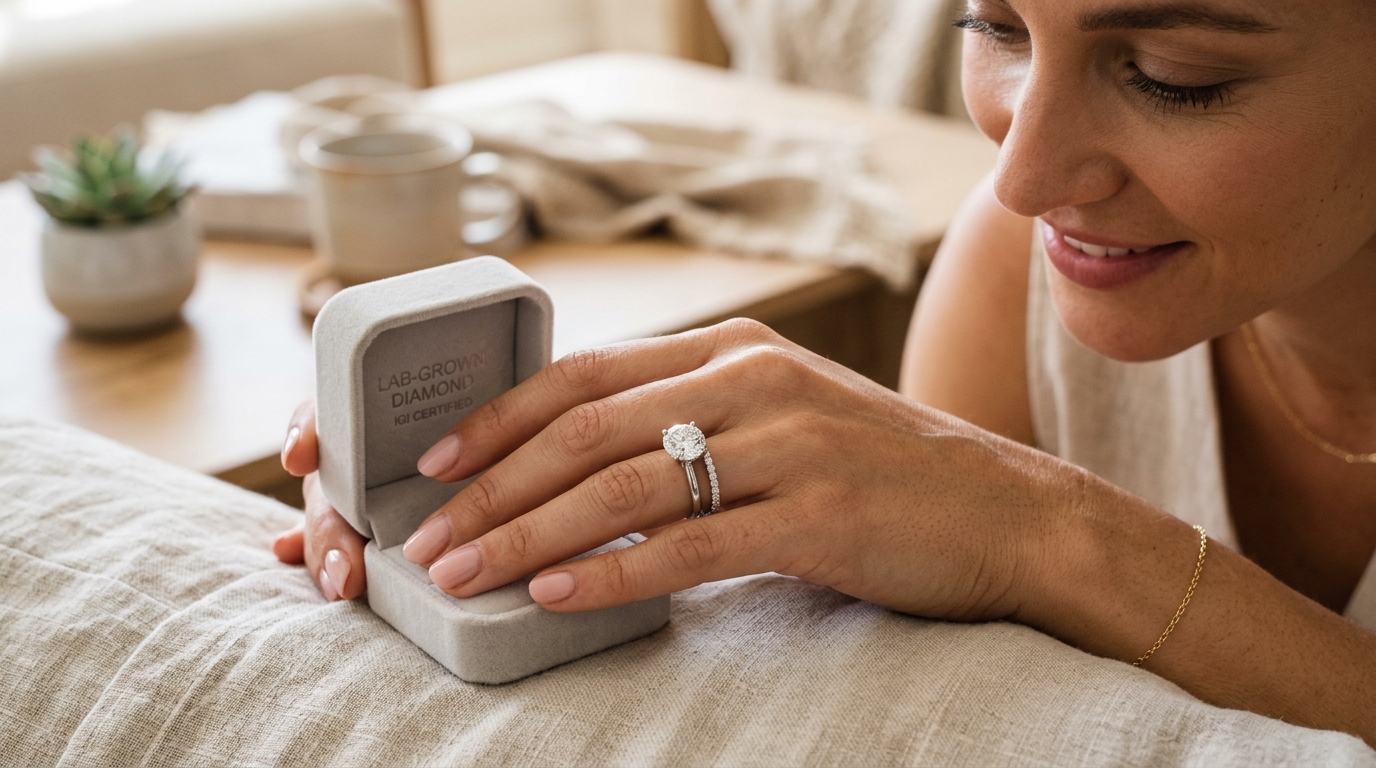
Lab grown diamond solitaire rings have transformed the fine jewelry market by offering couples a scientifically identical alternative to mined stones. Consequently, buyers now face a wealth of technical decisions that determine both beauty and value. Understanding carat weight, cut precision, and clarity grading empowers shoppers to make confident, informed purchases. This guide breaks down the science and craftsmanship behind these modern engagement centerpieces.
Understanding the Science Behind Lab Created Stones
Diamonds grown in controlled laboratory environments share identical chemical composition with their mined counterparts. Two primary methods produce these gems: Chemical Vapor Deposition and High Pressure High Temperature synthesis. Both processes replicate the natural conditions that form diamonds deep within the earth. As a result, gemologists cannot distinguish lab grown stones from mined ones using standard visual inspection. Specialized equipment detects subtle growth patterns invisible to the naked eye. Therefore, certification becomes essential for verifying authenticity and origin. Meanwhile, production costs remain significantly lower than traditional mining operations, which explains the substantial price advantage these stones offer consumers.
Carat Weight and Its Impact on Ring Design
Carat measures a diamond’s weight rather than its physical size, though the two often correlate. A single carat equals 200 milligrams, and larger stones command exponentially higher prices per carat. However, lab creation methods have made bigger carat weights considerably more accessible to average buyers. Shoppers should consider hand size and finger length when selecting appropriate carat weight for their ring. Additionally, prong settings can create optical illusions that make smaller stones appear larger than their actual measurements. Ring width also affects perceived carat size, since thinner bands make center stones look more substantial by comparison. Ultimately, personal preference matters more than following rigid size conventions borrowed from tradition.
How Shape Influences Perceived Carat Size
Elongated shapes such as ovals and emeralds appear larger than round brilliants of equal weight. This happens because these cuts maximize surface area across the finger. Conversely, round and cushion shapes concentrate weight more centrally, which can make them look smaller. Buyers seeking maximum visual impact should therefore explore elongated silhouettes during their shopping process. Nevertheless, round brilliants remain the most popular choice due to their superior light performance and timeless appeal.
Cut Quality Determines Brilliance and Fire
Cut refers to how well a diamond’s facets interact with light, not merely its outline shape. Precision cutting creates the sparkle, brilliance, and fire that make diamonds so captivating. Poorly cut stones leak light through the bottom, resulting in a dull, lifeless appearance regardless of clarity or carat weight. Consequently, cut quality often matters more than any other characteristic when selecting a diamond. The Gemological Institute of America grades cut on a scale ranging from Excellent to Poor. Buyers should always prioritize Excellent or Very Good cut grades over sacrificing quality for additional carat weight. Furthermore, well-cut stones reflect light symmetrically, creating that coveted sparkle visible from across a room.
The Role of Proportions and Symmetry
Table percentage, depth percentage, and pavilion angle all influence how light travels through a diamond. Ideal proportions allow light to enter through the crown and reflect back through the table facet. Meanwhile, symmetry ensures facets align precisely, preventing light from scattering in unintended directions. Even minor deviations in these measurements can significantly reduce a diamond’s overall brilliance. Therefore, examining detailed proportion reports helps buyers verify quality beyond simple grade labels.
Clarity Grading and What It Really Means
Clarity assesses internal and external characteristics known as inclusions and blemishes. Most inclusions remain invisible without magnification, so their impact on beauty is often overstated. The GIA clarity scale ranges from Flawless to Included, with several gradations in between. For solitaire rings, VS1 and VS2 grades typically offer the best balance between appearance and cost efficiency. These grades appear eye-clean while avoiding the premium pricing associated with higher clarity tiers. Additionally, inclusion location matters significantly, since flaws hidden beneath prongs remain completely undetectable to observers. Buyers should therefore request detailed clarity plots before finalizing any purchase decision.
Common Types of Inclusions to Understand
Feathers, crystals, and clouds represent the most frequently encountered inclusion types in diamonds. Feathers are small fractures that can affect durability if positioned near the edge. Crystals are trapped mineral deposits that formed alongside the diamond during its growth process. Clouds consist of tiny pinpoint inclusions clustered together, sometimes creating a hazy appearance under magnification. Understanding these distinctions helps buyers evaluate certification reports with greater confidence and clarity.
Color Grading and Its Interaction With Other Factors
Color grading ranges from D, representing colorless, through Z, indicating noticeable yellow or brown tint. Near-colorless grades like G through I offer excellent value without visible color to the untrained eye. Interestingly, certain metal settings can influence how color appears once a stone is mounted. Yellow gold settings can mask slight warmth in lower color grades, creating a more affordable option overall. Meanwhile, platinum and white gold settings tend to accentuate any yellow tint present in the stone. Consequently, buyers should coordinate their color grade selection with their intended metal choice for optimal results.
Certification and Why It Matters for Buyers
Reputable certification from GIA or IGI ensures accurate grading across carat, cut, clarity, and color characteristics. Without proper certification, buyers cannot verify that advertised specifications match the actual diamond in question. Furthermore, certified stones typically retain better resale value should circumstances change in the future. Shoppers should always request a copy of the grading report before completing any transaction. This document also specifies whether the diamond originated from a laboratory or natural mining source. Consequently, transparency throughout the certification process protects both the buyer and the jeweler’s reputation.
Setting Styles That Complement Solitaire Diamonds
Prong settings remain the most popular choice for solitaire rings due to their simplicity and elegance. Four-prong settings maximize light exposure, while six-prong settings offer additional security for the center stone. Bezel settings encircle the diamond completely, providing superior protection for active lifestyles and daily wear. Meanwhile, cathedral settings elevate the stone with arching metal, creating a dramatic vertical presence on the finger. Each setting style interacts differently with light, so buyers should consider how mounting affects overall brilliance. Additionally, prong metal choice can influence perceived diamond color, much like the band itself does.
Choosing Between Classic and Contemporary Styles
Classic solitaire designs emphasize simplicity, allowing the diamond itself to remain the focal point. Contemporary designs sometimes incorporate hidden halos, unique prong arrangements, or asymmetrical band details. Buyers drawn to timeless aesthetics typically gravitate toward traditional four or six-prong configurations. Conversely, those seeking distinctive statement pieces might explore modern interpretations of classic solitaire designs. Ultimately, personal style preferences should guide this decision more than passing trends.
Budget Considerations and Value Optimization
Lab grown diamonds typically cost forty to fifty percent less than comparable mined stones. This price advantage allows buyers to prioritize larger carat weights or superior cut quality within existing budgets. Alternatively, shoppers can select higher clarity and color grades while maintaining reasonable overall spending. Strategic prioritization helps buyers maximize visual impact without exceeding their financial comfort zone. For instance, choosing a slightly lower color grade often yields substantial savings with minimal visible difference. Similarly, selecting clarity grades just below Flawless preserves brilliance while significantly reducing overall cost. Therefore, understanding these tradeoffs empowers buyers to make strategic decisions aligned with their priorities.
Durability and Long-Term Wear Considerations
Lab grown diamonds share the same hardness rating as mined diamonds, scoring a perfect ten on the Mohs scale. This exceptional hardness makes them suitable for daily wear across decades of use. However, proper setting security remains essential regardless of the diamond’s inherent durability characteristics. Regular professional inspections help identify loose prongs before they result in stone loss. Additionally, cleaning solitaire rings periodically maintains their brilliance and prevents oil or debris buildup over time. Ultrasonic cleaners and professional jewelers offer safe, effective methods for maintaining diamond clarity and shine.
Environmental and Ethical Considerations
Laboratory diamond production requires significantly less land disruption compared to traditional mining operations. Furthermore, many production facilities now utilize renewable energy sources, reducing overall carbon footprint substantially. These environmental benefits appeal strongly to buyers seeking sustainable alternatives within the jewelry industry. Additionally, laboratory production eliminates concerns surrounding conflict diamonds and problematic labor practices sometimes associated with mining. Consequently, ethically conscious consumers increasingly favor laboratory-created stones for these meaningful reasons. Transparency throughout the supply chain further reinforces confidence among environmentally aware shoppers.
Making Your Final Selection
Selecting the ideal solitaire ring requires balancing personal aesthetic preferences with practical technical considerations. Buyers should prioritize cut quality above other factors, since brilliance depends heavily on precise faceting. Meanwhile, clarity grades in the VS range typically provide excellent value without visible flaws. Color grades between G and I offer near-colorless appearance while remaining budget-friendly for most buyers. Finally, choosing a reputable jeweler who provides proper certification protects your investment for years ahead. Combining these technical insights with personal style preferences ensures a ring that brings lasting satisfaction and joy.
Conclusion
Lab grown diamond solitaire rings combine scientific innovation with timeless elegance, offering exceptional value for modern couples. Understanding carat, cut, clarity, and color empowers buyers to navigate this decision with genuine confidence. Furthermore, certification and ethical considerations add meaningful layers to an already significant purchase. By prioritizing cut quality and understanding how these characteristics interact, shoppers can select rings that sparkle brilliantly for a lifetime. Ultimately, education transforms this important decision from overwhelming into genuinely enjoyable and rewarding.