
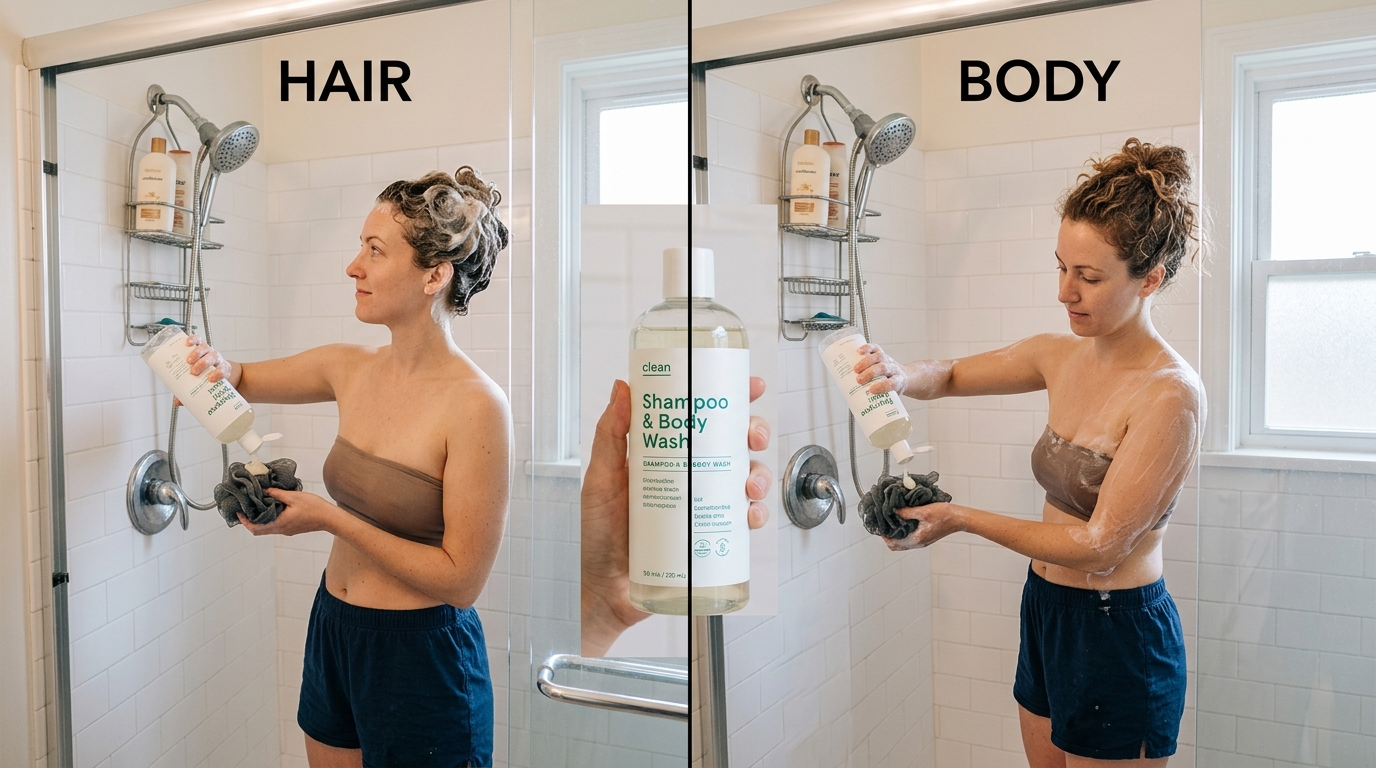
Many people have stood in the shower wondering whether they can use shampoo as body wash in a pinch. Furthermore, running out of body wash while traveling or mid-shower creates a genuinely frustrating and common situation. The honest answer involves more nuance than a simple yes or no response can adequately cover. In addition, understanding the fundamental differences between these two products helps you make smarter decisions for your skin. Moreover, knowing when substitution works and when it causes harm protects your body’s largest and most important organ effectively.
Understanding What Shampoo Actually Contains
The Primary Purpose and Formula of Shampoo
Shampoo specifically targets the scalp and hair shaft to remove oil, product buildup, and environmental debris. Manufacturers formulate it with surfactants powerful enough to cut through sebum, which the scalp produces abundantly. Furthermore, the scalp generates significantly more oil than most other areas of the body consistently. Consequently, shampoo contains stronger cleansing agents to handle this higher level of oil production effectively.
Most shampoos also contain specific conditioning agents, proteins, and pH adjusters designed for hair structure. These ingredients strengthen the hair cuticle and maintain the unique protein composition of each strand. Moreover, some formulas include ingredients like dimethicone, keratin, or panthenol that benefit hair exclusively. Therefore, the entire formula targets a very specific biological surface with very different needs from skin.
Common Ingredients Found in Shampoo
Sodium lauryl sulfate and sodium laureth sulfate appear most commonly as the primary cleansing agents. These surfactants create the rich lather that consumers associate with thorough cleansing during shampooing. Furthermore, they strip oils and debris from the hair and scalp very efficiently and powerfully. Consequently, these same ingredients can disrupt the skin’s natural barrier when used on the body regularly.
Many shampoos also contain fragrances, preservatives, and pH-adjusting chemicals at varying concentrations. In addition, medicated shampoos may include ingredients like zinc pyrithione, selenium sulfide, or ketoconazole specifically. These active ingredients treat scalp conditions but may irritate body skin unnecessarily and unpredictably. Moreover, understanding this ingredient complexity helps you evaluate the real risks of using shampoo below the neck.
Understanding What Body Wash Actually Contains
The Primary Purpose and Formula of Body Wash
Body wash formulates specifically for the thinner, more delicate, and more varied skin found across the body. Manufacturers balance its cleansing power to remove sweat, bacteria, and light surface oils gently. Furthermore, body skin produces less sebum than the scalp, requiring a milder approach to effective cleansing. Consequently, body wash uses gentler surfactants that clean thoroughly without stripping the skin’s protective moisture barrier.
Most body washes also contain moisturizing ingredients like glycerin, shea butter, and various plant extracts. These components replenish hydration during cleansing and leave the skin feeling soft and comfortable afterward. Moreover, the pH of body wash typically sits closer to the skin’s natural slightly acidic level. Therefore, the formula actively works with the skin’s biology rather than against it during every shower.
How the pH Difference Matters Significantly
Human skin maintains a natural pH between 4.5 and 5.5, creating a mildly acidic protective environment. This acidity, known as the acid mantle, protects the skin from harmful bacteria and environmental damage. Furthermore, disrupting this pH balance weakens the skin barrier and creates vulnerability to irritation and infection. Consequently, choosing products that match or respect this natural pH level matters enormously for skin health.
Shampoo typically carries a slightly higher pH than ideal body skin conditions require for protection. Moreover, repeated exposure to mismatched pH disrupts the acid mantle and triggers visible skin reactions over time. Therefore, occasional use poses minimal risk while consistent daily substitution creates genuine and compounding concerns. In addition, people with already sensitive or compromised skin notice the difference most quickly and dramatically.
What Actually Happens When You Use Shampoo on Your Body
Short-Term Effects on the Skin
Using shampoo on your body once or twice produces noticeable but typically temporary effects. The stronger surfactants cleanse the skin effectively but leave it feeling tight and stripped afterward. Furthermore, the skin may feel drier than usual immediately following a shampoo-based body wash session. Consequently, applying a good moisturizer immediately after showering helps compensate for this temporary moisture loss.
Some people notice a slight squeaky feeling on their skin after using shampoo as a cleanser. This sensation indicates the removal of the skin’s natural surface oils more aggressively than intended. Moreover, people with naturally dry skin notice this effect far more intensely than those with oilier complexions. Therefore, the skin type and existing condition determine how significantly occasional shampoo use affects the body.
Long-Term Effects With Regular Use
Using shampoo as a daily body cleanser creates progressively more significant skin issues over time. The consistent stripping of natural oils prevents the skin from maintaining its healthy protective barrier. Furthermore, a damaged skin barrier allows irritants, allergens, and bacteria to penetrate more deeply and easily. Consequently, regular shampoo use on the body increases the likelihood of dryness, irritation, and inflammatory skin conditions.
People who substitute shampoo regularly may notice increasing dryness, flakiness, and general skin sensitivity. Moreover, conditions like eczema, psoriasis, and contact dermatitis can worsen significantly under these cleansing conditions. Therefore, dermatologists consistently advise against making this substitution a permanent part of any daily shower routine. In addition, the long-term cost to skin health far outweighs the short-term convenience of product substitution.
Effects on Particularly Sensitive Skin Areas
Certain body areas carry thinner and more reactive skin that responds more intensely to harsh formulas. The face, neck, inner arms, and groin area all feature particularly delicate and sensitive skin tissue. Furthermore, using shampoo on these areas increases the risk of immediate irritation, redness, and discomfort significantly. Consequently, even during occasional use, avoiding these more vulnerable areas reduces the risk of adverse reactions.
The skin around private areas maintains its own delicate pH and microbial balance consistently. Disrupting this balance with inappropriately formulated products can trigger infections and uncomfortable imbalances. Moreover, fragrances and preservatives in shampoo formulas frequently cause allergic contact dermatitis in sensitive areas. Therefore, being strategic about where you apply shampoo during emergency substitution protects your most vulnerable skin zones.
When Using Shampoo as Body Wash Is Acceptable
Emergency Situations and One-Time Use
Reaching for shampoo when you genuinely have no other cleansing option available makes complete sense. Traveling without body wash, staying at hotels with limited amenities, or simply running out mid-shower justifies it. Furthermore, using shampoo once or twice under these circumstances causes no lasting or significant skin damage. Consequently, reserving this substitution for genuine emergencies prevents the habit from becoming a regular and harmful routine.
Camping trips, overnight travel, and unexpected situations represent exactly the kind of scenarios this works for. Moreover, one thorough rinse after using shampoo on the body minimizes any lingering effects effectively. Therefore, approaching it as a practical emergency solution rather than a convenient daily option serves your skin best. In addition, replenishing with a rich moisturizer after the shower restores comfort and hydration quickly.
When You Have Particularly Oily or Resilient Skin
People with naturally very oily skin and a resilient skin barrier tolerate shampoo substitution better than most. Their skin’s stronger natural defenses partially compensate for the stronger cleansing agents in typical shampoo formulas. Furthermore, oilier skin types benefit from slightly stronger cleansing during warmer months or after heavy exercise. Consequently, occasional shampoo use on oily body skin causes less concern than using it on dry or sensitive complexions.
However, even oily skin has limits and responds negatively to consistent over-stripping of natural oils. Moreover, the skin compensates for excessive oil removal by producing even more sebum in response. Therefore, even resilient and oily skin types should treat shampoo as a temporary substitution only. In addition, returning to a properly formulated body wash as soon as possible always serves the skin better.
Using Baby Shampoo as a Gentler Alternative
Baby shampoo represents the most acceptable shampoo option for body cleansing during an emergency. Manufacturers formulate baby shampoo with much gentler surfactants designed for sensitive infant skin specifically. Furthermore, these milder formulas clean effectively without the harsh stripping effect of adult shampoo products. Consequently, baby shampoo poses significantly less risk when used occasionally on adult body skin during emergencies.
Many dermatologists actually recommend baby shampoo for cleaning sensitive areas in specific therapeutic contexts. Moreover, its gentle formula and lower fragrance content reduce the likelihood of irritation and allergic reactions. Therefore, keeping a small bottle of baby shampoo in your travel bag provides a versatile and safer option. In addition, its tear-free formula makes accidental eye exposure far less uncomfortable and irritating.
Situations Where You Should Absolutely Avoid This Substitution
People With Eczema, Psoriasis, or Chronic Skin Conditions
Anyone managing a chronic inflammatory skin condition should never substitute shampoo for body wash. These conditions already involve a compromised skin barrier that struggles to retain moisture and resist irritants. Furthermore, shampoo’s stronger surfactants and fragrance ingredients actively trigger flares and worsen existing inflammation. Consequently, protecting the compromised skin barrier with specifically formulated gentle cleansers becomes absolutely essential for these individuals.
Dermatologists prescribe specific therapeutic washes for patients with these conditions for very important reasons. Moreover, deviating from these recommendations, even temporarily, can set back weeks of careful skin management. Therefore, people with chronic skin conditions should plan ahead and always carry their prescribed products consistently. In addition, consulting a dermatologist about safe emergency alternatives provides personalized and condition-appropriate guidance.
People With Extremely Dry or Dehydrated Skin
Chronically dry skin already struggles to retain adequate moisture within its lipid-depleted barrier structure. Using shampoo, which strips oils more aggressively, compounds this existing moisture deficiency significantly. Furthermore, the resulting tightness, flaking, and discomfort can persist for several days after a single shampoo wash. Consequently, people with dry skin should seek any alternative before reaching for their shampoo bottle.
Even using a conditioner as a body moisturizer after shampoo cleansing does not fully compensate for the damage. Moreover, consistently dry skin takes considerably longer to recover from barrier disruption than normal or oily skin. Therefore, investing in a travel-sized body wash specifically for trips eliminates this dilemma entirely. In addition, keeping a multi-use cleansing bar in your shower bag provides a reliable and skin-friendly backup option.
Children and Infants
Adult shampoo formulas contain ingredient concentrations far too strong for children’s developing and delicate skin. The fragrance load, surfactant strength, and chemical complexity pose disproportionate risks for young and sensitive skin. Furthermore, children’s skin absorbs topical substances more readily than adult skin due to its thinner structure. Consequently, always using age-appropriate and dermatologist-tested cleansers for children remains absolutely non-negotiable.
Even mild adult shampoos contain ingredients that pediatric dermatologists advise keeping away from young skin. Moreover, the risk of allergic sensitization in early childhood has long-term implications for lifelong skin health. Therefore, parents should always pack dedicated child-appropriate cleansers when traveling with young children. In addition, baby wash typically cleanses both hair and body effectively, making it a genuinely multi-purpose option.
Better Alternatives When You Run Out of Body Wash
Bar Soap as an Effective Substitute
Traditional bar soap cleanses the body effectively and poses far less risk than most liquid shampoos. Most bar soaps carry a pH closer to the skin’s natural range compared to many adult shampoos. Furthermore, unscented or minimally fragranced bar soaps reduce the risk of irritation and allergic reactions. Consequently, keeping a bar of gentle soap as a bathroom backup eliminates the need to reach for shampoo.
Castile soap, in particular, offers a plant-based and genuinely gentle cleansing option for most skin types. Moreover, its simple ingredient list makes it a safer and more versatile emergency substitute overall. Therefore, adding a small castile soap bar to your travel kit provides a practical and skin-friendly solution. In addition, castile soap works effectively as a hand wash, body wash, and even a mild fabric cleaner.
Conditioner as a Temporary Rinse-Off Option
Hair conditioner actually works surprisingly well as a temporary body cleanser in genuine emergencies. Its creamy formula contains emollients and slip agents that remove surface dirt and light sweat effectively. Furthermore, conditioner leaves the skin feeling smooth and moisturized rather than stripped and tight afterward. Consequently, it represents a significantly gentler alternative to shampoo when body wash runs completely out.
Using conditioner on the body does not create the same barrier disruption that shampoo does. Moreover, its moisturizing ingredients actually benefit the skin rather than working against its natural function. Therefore, choosing conditioner over shampoo for body cleansing during emergencies makes considerably more skin-friendly sense. In addition, the creamy texture rinses away cleanly without leaving a heavy or uncomfortable residue behind.
Micellar Water for a No-Rinse Emergency Option
Micellar water uses tiny micelle molecules to lift dirt and oil from the skin without rinsing. This gentle formula works beautifully on the face and body during travel or situations without shower access. Furthermore, it removes surface impurities effectively without disrupting the skin barrier or natural moisture levels. Consequently, carrying micellar water provides a versatile and genuinely skin-safe emergency cleansing solution.
Many travelers and beauty professionals rely on micellar water precisely because of its gentle and effective performance. Moreover, it requires no water and works perfectly on camping trips, long flights, or between showers. Therefore, adding a travel-sized bottle to your toiletry bag prevents any future cleansing emergencies effectively. In addition, micellar water works on sensitive skin, making it safe for virtually every skin type.
Expert Recommendations on Multi-Use Cleansing Products
Two-in-One Products Designed for Both Purposes
The beauty industry now offers genuinely effective two-in-one cleansers formulated for both hair and body. These products balance surfactant strength, pH levels, and moisturizing ingredients to work safely on both surfaces. Furthermore, they remove oil and impurities from the scalp while maintaining a gentler approach for body skin. Consequently, keeping a quality two-in-one product in your shower provides a reliable and intentionally designed backup.
Dermatologists consider properly formulated two-in-one products a far superior option to using regular shampoo alone. Moreover, these products undergo testing for both scalp and skin safety before reaching the consumer market. Therefore, investing in a quality two-in-one cleanser eliminates the guesswork from emergency shower situations entirely. In addition, they simplify travel packing by reducing the number of separate products you need to carry.
What Dermatologists Actually Recommend
Most dermatologists agree that occasional shampoo use on the body causes no permanent or serious harm. However, they unanimously advise against making this substitution a deliberate and ongoing part of your routine. Furthermore, they recommend always keeping a small travel-sized body wash available to prevent these situations. Consequently, a small amount of preparation eliminates the need to compromise your skin health during any emergency.
Dermatologists also emphasize the importance of immediately moisturizing after any shampoo-based body cleansing session. Moreover, applying a rich body lotion within three minutes of leaving the shower locks in remaining moisture effectively. Therefore, combining quick moisturizer application with temporary shampoo use minimizes the negative impact on skin health. In addition, choosing fragrance-free formulas reduces irritation risk for sensitive individuals managing reactive skin conditions.
Final Thoughts on Using Shampoo as Body Wash
The direct answer is yes, you can use shampoo as body wash occasionally without causing serious lasting harm. Furthermore, understanding the differences between these products helps you make that decision with genuine knowledge and awareness. Treating it as an emergency solution rather than a convenient daily habit protects your skin’s long-term health effectively. Moreover, investing in travel-sized body wash, bar soap, or a quality two-in-one product prevents future cleansing dilemmas.
In conclusion, your skin deserves products specifically designed to meet its unique needs and biological requirements. Therefore, reaching for shampoo should always remain a last resort rather than a regular shower routine choice. In addition, listening to your skin’s signals and responding with appropriate care keeps it healthy, balanced, and comfortable. Ultimately, small preparation habits make a genuinely significant difference in your skin’s long-term health and appearance.