
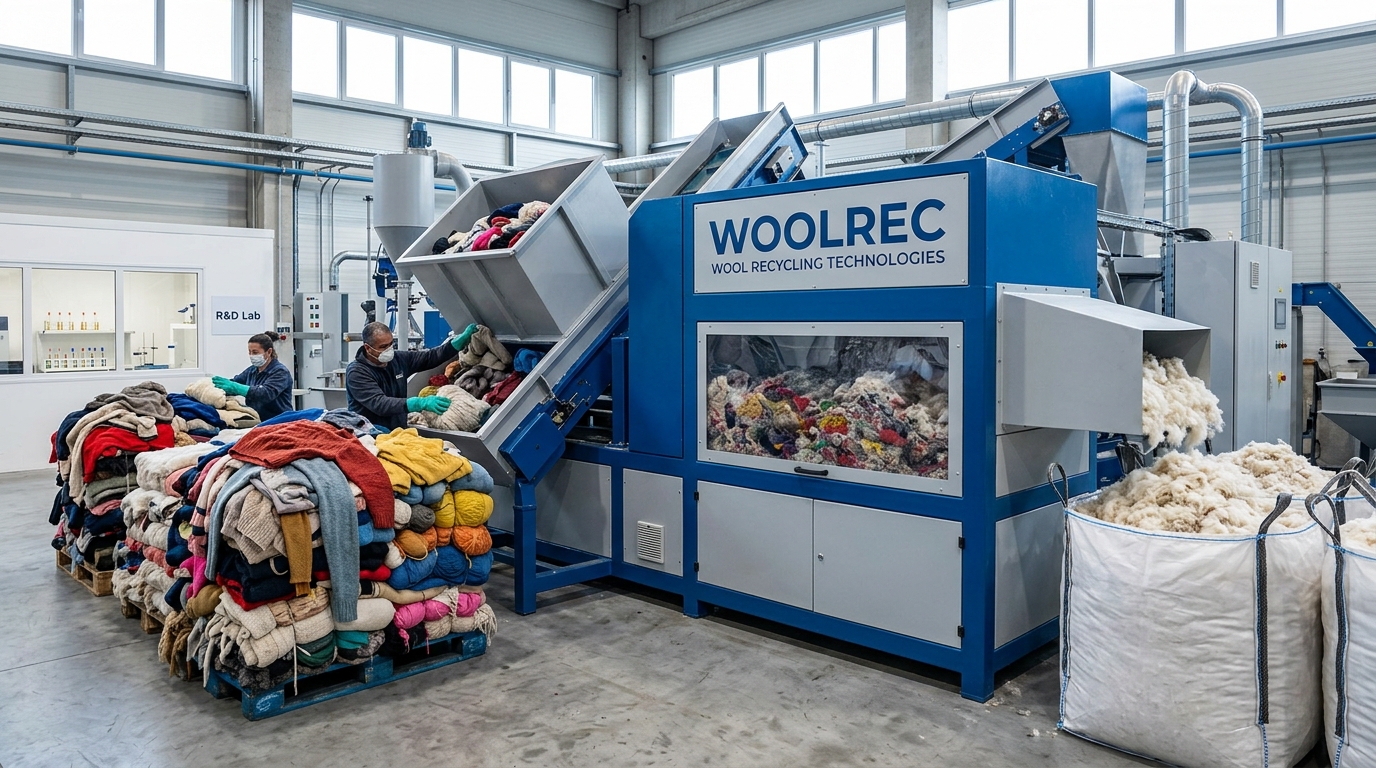
Modern industries produce staggering amounts of waste every single year. The global fashion market contributes heavily to this environmental burden through leftover materials and discarded garments. However, innovative companies now step forward with brilliant, practical solutions to tackle this massive problem. Woolrec shines as a prime example of this green revolution by transforming textile waste into valuable, high-quality manufacturing components. This groundbreaking process bridges the gap between industrial efficiency and environmental stewardship. Consequently, manufacturing facilities can reduce their reliance on virgin resources while simultaneously cleaning up the planet.
The Evolution of Textile Recycling
Historically, factories threw away shredded textiles or buried them deep inside municipal landfills. People rarely considered the long-term environmental consequences of discarding natural fibers like wool.
Traditional Waste Challenges
Natural fibers take surprisingly long periods to decompose when packed tightly inside dark, oxygen-deprived landfills. Furthermore, this slow decomposition releases harmful greenhouse gases into our atmosphere. Traditional disposal methods also waste the valuable energy and water used during the initial farming stages. Therefore, society urgently needed a smarter approach to handle post-industrial textile remnants.
The Dawn of Green Alternatives
Fortunately, visionary engineers developed advanced mechanical processes to reclaim these fibers safely. They designed specialized machinery to pull apart fabrics without destroying individual fiber strength. This technological leap allowed businesses to reconsider the economic potential of discarded materials. Ultimately, modern recycling initiatives emerged from these early industrial experiments.
Understanding the Core Process
The transformation of raw textile waste into a refined, reusable resource requires precision. Specialists follow strict quality standards to ensure the final product meets commercial manufacturing requirements.
Collection and Sorting
First, processing centers gather clean scraps directly from garment factories and textile mills. Workers meticulously sort these incoming materials by color, fiber length, and cleanliness.
| Sorting Criterion | Industrial Purpose | Expected Outcome |
| Fiber Length | Determines structural strength | Premium spinning vs. basic felting |
| Color Grouping | Eliminates aggressive chemical dyeing | Reduced environmental chemical footprint |
| Purity Check | Removes synthetic contaminants | High-grade natural material output |
Sorting by color eliminates the need for harsh chemical bleaching agents later. Consequently, the facility keeps its chemical footprint remarkably low throughout the initial processing phase.
Mechanical Processing
Next, massive industrial machines gently shred the sorted fabrics back into a soft, fibrous state. This delicate process preserves the natural crimp and elasticity of the original insulation fibers.
Afterward, high-powered magnets extract any stray metal buttons, zippers, or rogue sewing needles. The resulting clean, fluffy material stands ready for its next industrial application.
Key Environmental Benefits
Adopting recycled textile materials yields immediate advantages for our delicate global ecosystems. Every metric ton of recycled fiber saves precious resources.
Water Conservation
Conventional agriculture uses billions of gallons of water to sustain sheep herds and clean raw fleeces. In contrast, recycling pre-existing fibers requires virtually no agricultural water management. This massive reduction preserves local freshwater sources for nearby communities and vital ecosystems. Thus, eco-conscious factories achieve superior sustainability metrics almost effortlessly.
Carbon Footprint Reduction
Manufacturing virgin materials generates substantial carbon emissions through global shipping and chemical processing. Conversely, localized recycling loops dramatically cut down on transportation requirements.
“By utilizing existing fibers, companies bypass the energy-intensive stages of raw resource extraction.”
Therefore, adopting circular manufacturing models represents a powerful weapon against global climate change.
Industrial Applications
The versatility of reclaimed natural fibers surprises many industrial product designers. This sustainable material serves multiple sectors effectively.
High-Performance Insulation
The construction industry utilizes these processed fibers to create excellent thermal and acoustic insulation blankets. These green building materials fit easily inside residential walls and commercial ceiling frameworks. Additionally, natural fibers regulate indoor humidity levels much better than fiberglass alternatives. Homeowners enjoy lower energy bills while supporting sustainable production methods.
Sustainable Packaging Solutions
Logistics companies frequently seek eco-friendly alternatives to traditional plastic bubble wrap and styrofoam blocks. Reclaimed fiber mats offer exceptional shock absorption for fragile items during long-distance transit. Furthermore, consumers can easily compost this biodegradable packaging in their backyards after delivery. This simple shift eliminates stubborn plastic waste from the consumer shipping cycle.
Automotive Acoustic Barriers
Car manufacturers integrate recycled fiber panels into vehicle doors and floorboards to dampen road noise. These lightweight pads improve cabin comfort without adding unnecessary weight to the vehicle frame. Consequently, cars burn less fuel while maintaining a quiet, luxurious driving experience. This hidden application showcases the incredible diversity of recycled materials.
Overcoming Consumer Misconceptions
Despite obvious benefits, some manufacturers hesitate to adopt recycled components due to old myths. Educating the marketplace remains a critical task for green advocates.
The Quality Myth
Many people incorrectly assume that recycled fibers inherently possess lower quality than new materials. However, modern mechanical processing preserves remarkable levels of durability and softness. Advanced testing verifies that these fibers meet rigorous industrial stress standards consistently. Therefore, businesses can safely maintain their high product standards without compromise.
Cost Versus Value
Initially, setting up green supply chains might seem slightly more expensive than buying cheap synthetic alternatives. Nevertheless, long-term savings manifest through reduced waste disposal fees and enhanced brand loyalty. Modern consumers actively prefer brands that demonstrate genuine environmental responsibility. Ultimately, investing in sustainable materials boosts profitability over time.
Future Trends in Textile Circularity
The green movement continues to gather incredible momentum across the globe. New innovations promise even greater efficiency in the coming years.
AI-Driven Sorting Systems
Engineers are currently developing robotic sorting systems equipped with advanced optical sensors. These intelligent machines identify fiber compositions faster than human eyes can track. As a result, processing plants will soon handle massive quantities of waste with unprecedented accuracy. This technological upgrade will drive down production costs significantly.
Global Regulatory Shifts
Governments worldwide are introducing stricter laws regarding industrial waste management and extended producer responsibility. Factories must find legitimate recycling avenues for their production leftovers to avoid heavy fines. Consequently, the demand for reliable recycling partners will skyrocket over the next decade. Sustainable manufacturing will soon become the universal standard.
Embracing a Cleaner Tomorrow
Every business holds the power to influence the health of our planet through simple purchasing decisions. Choosing circular materials helps diminish the mountains of waste threatening our natural landscapes. By supporting clean industrial processes, we ensure a safer world for future generations. The path forward requires dedication, clear vision, and a willingness to change old habits. Together, we can transform industrial waste into the foundation of a green global economy.
When factories switch from traditional insulation (like fiberglass or rock wool) to recycled textile insulation (such as denim or reclaimed wool blends), evaluating the financial Return on Investment (ROI) requires looking beyond the initial purchase price.
While recycled textile insulation typically carries a 10% to 30% higher upfront material cost, it alters the facility’s long-term operational budget across three main areas.
1. Upfront Capital Expenditures (CapEx)
Fiberglass insulation remains the budget baseline, generally costing between $0.65 and $1.20 per square foot. In contrast, premium recycled textile insulation ranges from $0.85 to $2.10 per square foot.
However, installation logistics offset this premium. Fiberglass requires specialized personal protective equipment (PPE), rigorous ventilation setups, and slower handling times due to skin and lung irritation hazards. Recycled textile insulation is completely non-toxic and safe to handle bare-handed. Factories report a 15% to 20% reduction in installation labor hours, slightly narrowing the initial cost gap.
2. Operational Savings and Performance (OpEx)
The true financial return materializes through climate control efficiency and product durability.
-
Consistent R-Value Over Time: Traditional fiberglass batts settle, compress, and sag over a 5-to-10-year period, which degrades their thermal resistance (R-value) and creates cold bridges. Recycled cotton and wool fibers feature a high natural crimp and structural density, keeping their form for decades.
-
HVAC Energy Reductions: Because recycled textiles naturally dampen airflow better than loose fiberglass, facilities see a 15% to 25% reduction in climate control energy consumption. For a mid-sized manufacturing plant, this translates into thousands of dollars saved annually.
-
Humidity and Machinery Protection: Recycled wool and denim can absorb up to 30% of their weight in moisture without losing thermal performance, releasing it naturally when ambient humidity drops. This acts as a passive humidity regulator, reducing the load on commercial dehumidification systems and protecting sensitive facility machinery from rust or moisture damage.
3. The Financial Payback Period
For an industrial facility, the typical financial lifecycle breaks down as follows:
| Metric | Traditional Insulation | Recycled Textile Insulation |
| Relative Material Cost | Baseline | 10% – 30% Higher |
| Installation Labor Cost | Baseline | 15% – 20% Lower |
| Annual Energy Savings | Baseline | 15% – 25% Reduction |
| Lifespan / Settling Risk | High (Degrades 10-15 years) | Low (Maintains structure 30+ years) |
| Estimated Payback Period | N/A | 3 to 5 Years |