
Does Crying Make Your Eyelashes Longer?
Many people wonder whether crying makes your eyelashes longer, especially after noticing their lashes look fuller post-cry. This belief has circulated for generations, often passed down through family stories or social media trends. However, science tells a different story than popular folklore suggests. In this article, we will explore the biology behind tears, eyelash growth, and why this myth persists despite lacking solid evidence.
The Origins of the Eyelash-Crying Myth
This particular beauty myth likely originated from simple observation rather than scientific research. People often notice their lashes appear darker and more defined right after crying. Consequently, they assume tears somehow nourish or stimulate the hair follicles. Additionally, cultural folklore across various societies has long associated tears with beauty and emotional purification. Therefore, it makes sense that this idea would attach itself to something as visible as eyelashes. Meanwhile, social media has amplified this myth further, with countless posts claiming tears contain magical growth properties. As a result, many people genuinely believe their crying sessions are secretly improving their lash length over time.
What Tears Actually Contain
To understand why crying does not make eyelashes grow, we first need to examine what tears actually contain. Tears are composed mostly of water, along with electrolytes, proteins, and lipids. Specifically, they contain compounds like lysozyme, which helps fight bacteria on the eye’s surface. Furthermore, tears include mucins that help spread moisture evenly across your eyes. None of these components have any documented connection to hair follicle stimulation or growth. In fact, tears exist primarily to protect, lubricate, and cleanse the eyes rather than nourish surrounding hair. Therefore, the biological makeup of tears simply does not support the claims behind this myth.
How Eyelash Growth Actually Works
Eyelash growth depends on hair follicles located at the base of each lash, similar to scalp hair. Each follicle goes through distinct growth cycles, including anagen, catagen, and telogen phases. During the anagen phase, lashes actively grow, while the catagen phase represents a transitional period. Eventually, the telogen phase occurs, during which the lash rests before naturally falling out. This entire cycle typically takes between four and eight weeks to complete. Genetics primarily determine how long and thick your natural eyelashes will become. Additionally, factors like age, nutrition, and certain medical conditions can influence overall lash health. However, external moisture, including tears, plays no role in triggering or extending these growth cycles.
Why Lashes Look Different After Crying
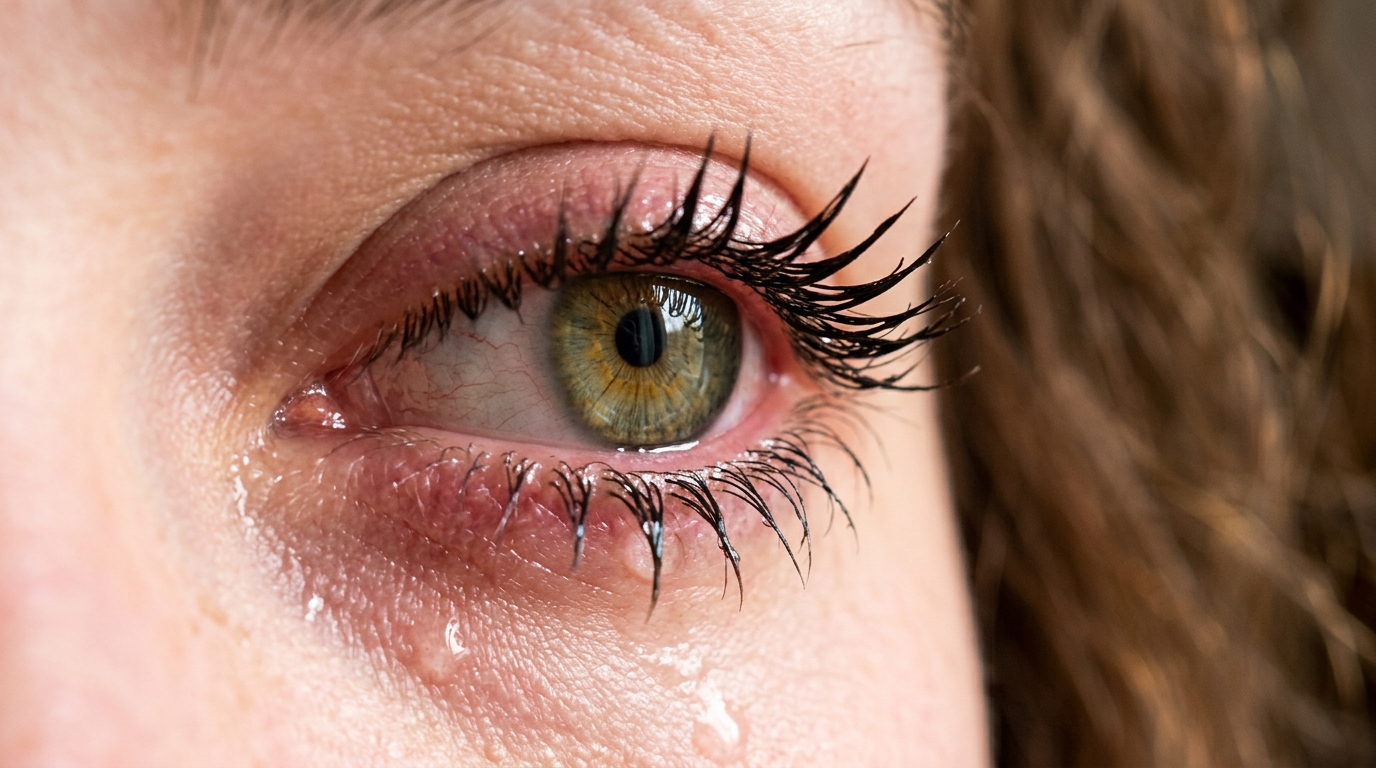
Although tears do not physically alter your eyelashes, several visual effects can create that illusion. When you cry, tears coat your lashes, causing them to clump together temporarily. This clumping effect makes lashes appear thicker, darker, and sometimes even longer than usual. Similarly, water naturally enhances contrast, making dark lashes stand out more against red, puffy eyes. Moreover, crying often causes mild swelling around the eyes, which can make lashes appear more pronounced by comparison. Once the tears dry and the swelling subsides, your lashes typically return to their normal appearance. Therefore, what you are witnessing is a temporary visual effect rather than genuine physical growth.
The Role of Eye Redness and Swelling
Crying triggers a cascade of physiological responses beyond just tear production. Blood vessels around your eyes dilate, leading to redness and a flushed appearance. Meanwhile, fluid can accumulate beneath the skin, causing temporary puffiness around the eye area. This combination of redness and swelling creates a frame that makes lashes more visually striking. Essentially, your eyes become a higher-contrast canvas, drawing more attention to your lash line. Consequently, people mistake this optical contrast for actual lash transformation. Once your body returns to its baseline state, this dramatic effect fades within an hour or two.
Could Crying Ever Damage Your Eyelashes?
While crying itself does not harm your lashes, certain associated behaviors might cause damage. Many people rub their eyes vigorously while crying, which can place stress on delicate lash follicles. Repeated rubbing or pulling may eventually weaken follicles, leading to breakage or temporary lash loss. Additionally, frequent crying combined with harsh makeup removal can strip natural oils from your lashes. Therefore, it becomes important to handle your eye area gently, especially during emotional moments. Using a soft cloth to dab tears, rather than rubbing aggressively, helps protect your lash health. As a result, you can cry as needed without worrying about damaging your lashes in the process.
Other Common Eyelash Myths Worth Knowing
Beyond the crying myth, several other misconceptions about eyelash growth continue circulating widely. For instance, many believe cutting or trimming eyelashes will make them grow back thicker. However, lash thickness is determined by genetics, not by trimming, similar to other body hair. Another popular myth suggests applying castor oil nightly guarantees dramatic lash growth within days. While castor oil may moisturize lashes, scientific evidence supporting significant growth remains limited and inconclusive. Additionally, some people think mascara application over time damages or weakens natural lash follicles permanently. In reality, proper mascara use and removal rarely causes lasting harm to healthy lashes. Understanding these myths helps set realistic expectations when it comes to caring for your eyelashes.
Factors That Genuinely Influence Eyelash Growth
Since tears do not affect lash growth, what factors actually make a measurable difference? Genetics remain the most significant determinant of your natural eyelash length and thickness. Nevertheless, certain lifestyle and health factors can support healthier lash growth over time. Proper nutrition, including adequate protein, biotin, and vitamins, supports overall hair and lash health. Similarly, staying hydrated benefits your entire body, including the follicles responsible for lash growth. Avoiding harsh eye makeup removers and excessive rubbing also protects your lashes from unnecessary damage. Furthermore, certain medical conditions, like thyroid imbalances, can impact lash growth and should be addressed by a doctor. Therefore, focusing on overall health provides far better results than relying on emotional tears.
Should You Use Eyelash Serums or Treatments?
Many people turn to eyelash serums when they want to enhance their natural lash length. These products often contain peptides, conditioning agents, or prostaglandin analogs that support follicle health. Consequently, consistent use over several weeks may lead to noticeably longer or fuller lashes. However, results vary significantly depending on the specific product and individual response. Additionally, it remains essential to consult a dermatologist before trying serums containing active pharmaceutical ingredients. Meanwhile, simpler options like nourishing oils may offer mild conditioning benefits without dramatic transformation. Therefore, managing expectations becomes crucial when exploring any lash enhancement product or treatment.
The Psychological Connection Between Crying and Beauty
Interestingly, the belief that crying enhances beauty extends beyond just eyelashes in many cultures. Tears have historically symbolized emotional release, vulnerability, and even physical attractiveness in storytelling and art. As a result, people often associate the act of crying with a kind of emotional glow. This psychological association may explain why the eyelash myth feels believable despite lacking scientific support. Similarly, crying can trigger temporary increases in blood flow, giving skin a flushed, dewy appearance. Therefore, the overall “after-cry glow” effect likely reinforces belief in lash-related changes as well. Understanding this connection helps explain why certain beauty myths persist across generations.
How to Care for Your Eyelashes the Right Way
Since tears will not lengthen your lashes, proper care remains the best path toward healthier lashes. Start by removing eye makeup gently each night using a suitable, oil-based remover. Additionally, avoid sleeping in waterproof mascara, as this can dry out and weaken your lashes. Brushing your lashes occasionally with a clean spoolie can help distribute natural oils evenly. Moreover, protecting your eyes from excessive sun exposure supports overall eye and lash health. Eating a balanced diet rich in vitamins and minerals also contributes to stronger hair growth throughout your body. Therefore, consistent, gentle care will yield better long-term results than relying on emotional tears.
What Dermatologists Say About This Myth
Dermatologists consistently confirm that crying has no scientifically proven effect on eyelash length or thickness. According to skin and eye health experts, tears serve protective functions rather than growth-stimulating ones. Furthermore, most dermatologists emphasize that genetics and overall health play the largest role in lash appearance. Meanwhile, they often warn against excessive eye rubbing, which can genuinely affect lash density over time. Therefore, professional consensus strongly supports debunking this popular yet unfounded beauty belief. If you experience unusual lash thinning or loss, consulting a dermatologist remains the best course of action. They can identify underlying causes and recommend appropriate, evidence-based treatments.
Conclusion
In conclusion, crying does not make your eyelashes longer, despite how convincing the temporary effect may seem. Instead, factors like tear clumping, redness, and swelling create a misleading optical illusion. Your eyelash length is shaped primarily by genetics, supported by proper nutrition and gentle care. While emotional tears serve important psychological and physical purposes, lash growth is not among them. Therefore, embrace crying as a healthy emotional release without expecting any lasting beauty benefits. If you want fuller, healthier lashes, focus on nourishment, gentle handling, and realistic beauty practices instead. Ultimately, understanding the real science behind this myth helps you make informed choices about your eye care routine.