
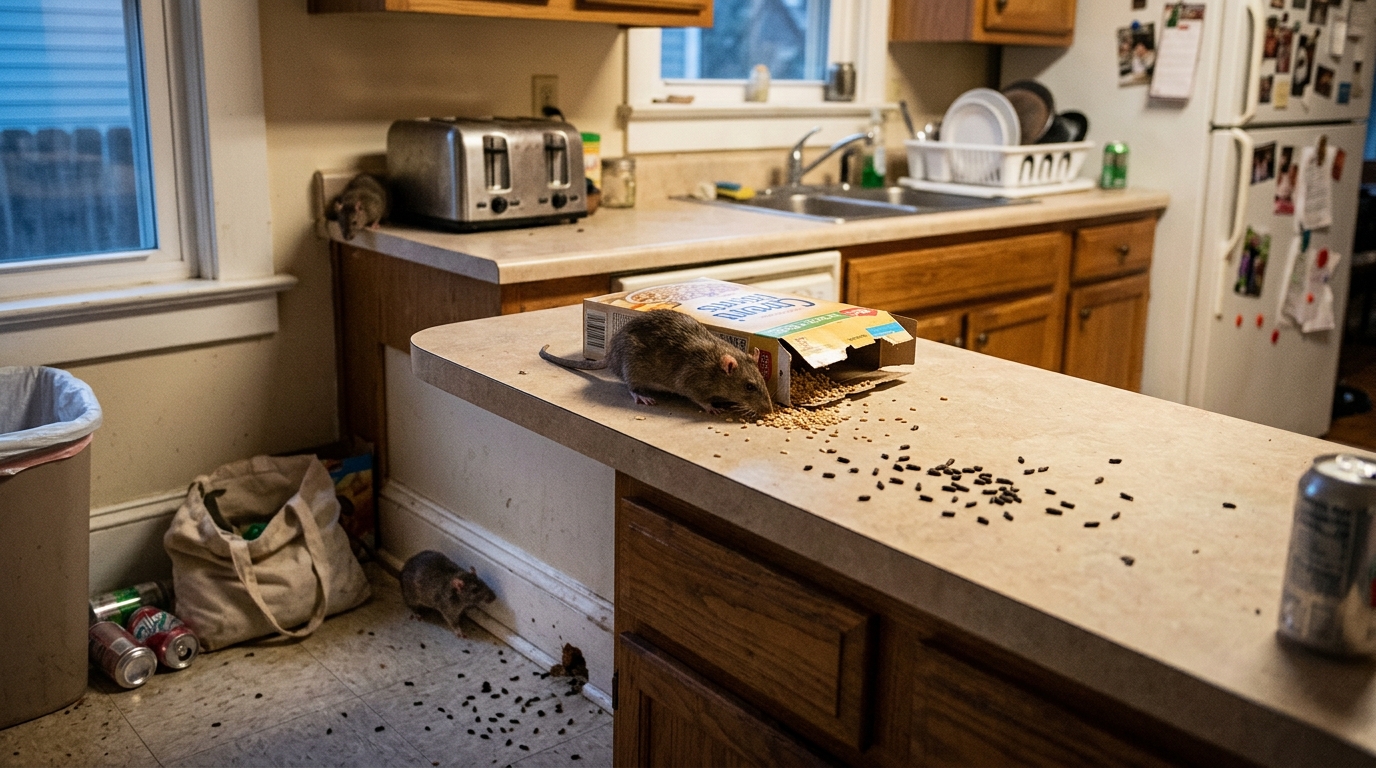
Discovering rats in house environments ranks among the most unsettling experiences Norwegian homeowners can encounter. These resilient rodents adapt remarkably well to cold climates, urban environments, and rural farmhouses alike. Consequently, understanding why rats invade homes helps residents prevent infestations before they become serious problems. This article examines the common causes, associated health risks, and proven solutions that work throughout Norway.
Why Rats Invade Norwegian Homes
Norway’s harsh winters push rodents toward warmer, more accessible shelter as temperatures drop significantly. Homes offer rats everything they need: warmth, hidden nesting spaces, and reliable access to food sources. Additionally, older buildings with gaps in foundations or walls provide easy entry points for determined rodents. Consequently, properties near farms, waterways, or dense vegetation often experience higher infestation rates than others. Understanding these attraction factors helps homeowners identify vulnerabilities before rats establish themselves indoors.
Food availability plays perhaps the most significant role in attracting rodents toward residential properties. Improperly stored food, unsecured garbage bins, and even pet food left outdoors can invite unwanted attention. Meanwhile, compost piles and bird feeders, though popular among Norwegian homeowners, sometimes inadvertently attract rats. Therefore, managing these attractants becomes essential for anyone hoping to prevent infestations before they begin. This proactive approach addresses root causes rather than merely reacting once rats already infiltrate a home.
Common Entry Points Throughout the House
Rats possess remarkable physical flexibility, allowing them to squeeze through surprisingly small gaps and openings. A gap roughly the size of a coin can provide sufficient entry space for determined rodents. Consequently, homeowners must inspect foundations, roof lines, and utility penetrations carefully for potential vulnerabilities. Additionally, gaps around pipes, vents, and cable entries often go unnoticed until rats exploit them. Therefore, thorough inspection remains essential for identifying and sealing these often-overlooked entry points effectively.
Basements and crawl spaces present particularly attractive entry opportunities, given their proximity to ground level. Meanwhile, garages and sheds, often less secure than main living areas, provide additional vulnerable access points. Furthermore, older Norwegian homes with wooden foundations sometimes develop cracks that worsen over time. This gradual deterioration creates increasingly accessible pathways for rodents seeking shelter and warmth. Consequently, regular maintenance and inspection help homeowners catch these developing vulnerabilities before infestations occur.
Health Risks Associated With Rat Infestations
Beyond the unsettling presence of rodents, rats in house environments pose genuine, documented health risks. These animals carry various pathogens capable of transmitting diseases through droppings, urine, and direct contact. Hantavirus, for instance, spreads through contaminated dust particles, posing serious respiratory risks to affected individuals. Additionally, rats can introduce fleas, mites, and other parasites that further compound potential health concerns. Consequently, addressing infestations quickly becomes essential for protecting household health and overall wellbeing.
Contaminated food represents another significant concern, as rats frequently gnaw through packaging while foraging indoors. This contamination can spread bacteria like salmonella, leading to potentially serious foodborne illness among household members. Furthermore, rat droppings and urine can trigger allergic reactions or asthma symptoms, particularly among sensitive individuals. Therefore, thorough cleaning and sanitization become necessary steps following any confirmed or suspected rat infestation. This comprehensive approach protects both immediate health and long-term household safety effectively.
Property Damage Caused by Rodents
Beyond health concerns, rats cause substantial physical damage to homes through their persistent gnawing behavior. Their teeth continuously grow, requiring constant chewing on various materials to maintain manageable length. Consequently, electrical wiring becomes particularly vulnerable, creating genuine fire hazards within affected properties. Additionally, rats damage insulation, wooden structures, and even plumbing, leading to costly repairs over time. This destructive behavior explains why early intervention matters significantly for protecting property value and structural integrity.
Insulation damage deserves particular attention, as rats often nest within wall cavities or attic spaces. This nesting behavior compresses insulation material, reducing its effectiveness and increasing heating costs during Norwegian winters. Meanwhile, structural wood damage, though less immediately visible, can compromise building integrity over extended periods. Therefore, addressing infestations promptly prevents minor problems from escalating into expensive, extensive structural repairs. This financial consideration provides additional motivation for homeowners to act quickly upon discovering rodent activity.
Recognizing Signs of Infestation
Early detection significantly improves the effectiveness of rat control efforts throughout Norwegian homes. Droppings, typically dark and pellet-shaped, often appear near food sources or along frequently traveled pathways. Additionally, gnaw marks on furniture, wiring, or food packaging indicate active rodent presence within the home. Unusual scratching sounds, particularly at night, often signal rats moving through walls or ceiling spaces. Consequently, homeowners should investigate these warning signs promptly rather than dismissing them as minor annoyances.
Grease marks along walls or baseboards represent another telltale sign, resulting from rats’ oily fur brushing surfaces. Meanwhile, discovering nesting materials, such as shredded paper or fabric, confirms established rodent presence indoors. Furthermore, pets displaying unusual alertness or interest in specific areas sometimes indicate hidden rodent activity nearby. Therefore, paying attention to these combined signs helps homeowners identify infestations before they become severe. This vigilance proves particularly valuable during autumn months when rats actively seek winter shelter.
Proven Prevention Strategies for Norwegian Homes
Prevention remains far more effective and economical than addressing established infestations after they occur. Sealing potential entry points with steel wool or metal flashing prevents rats from gnawing through barriers. Additionally, maintaining clean, clutter-free storage areas reduces attractive nesting opportunities within basements and garages. Consequently, regular decluttering combined with proper sealing significantly reduces overall infestation risk for most properties. This combination approach addresses both entry prevention and environmental attractiveness simultaneously and effectively.
Proper food storage plays an equally important role in comprehensive rat prevention strategies. Storing pantry items in airtight containers eliminates easy access to potential food sources indoors. Meanwhile, securing outdoor garbage bins and promptly cleaning up spilled bird seed reduces exterior attractants. Furthermore, trimming vegetation away from exterior walls removes convenient pathways rats often use for access. Therefore, combining these preventive measures creates multiple protective layers against potential rodent infestations throughout the property.
Effective Removal Methods That Work
Once rats establish themselves indoors, homeowners typically choose between trapping methods and professional pest control services. Snap traps remain popular throughout Norway, offering an effective, relatively humane solution for smaller infestations. Meanwhile, live traps provide an alternative for those preferring to relocate rather than eliminate rodents. Additionally, placing traps along walls, near droppings, or close to suspected nesting sites improves effectiveness. Consequently, strategic trap placement significantly increases success rates compared to random or careless positioning.
For larger or persistent infestations, professional pest control services often provide more comprehensive, lasting solutions. These experts possess specialized knowledge regarding rat behavior, entry points, and effective elimination strategies. Furthermore, professionals can identify underlying causes that homeowners might otherwise overlook during their own inspection efforts. Therefore, particularly stubborn or extensive infestations often benefit significantly from professional intervention and expertise. This investment frequently proves worthwhile, preventing recurring problems that inadequate DIY solutions sometimes fail to resolve.
Long-Term Management and Monitoring
Successfully eliminating current rats doesn’t guarantee permanent protection against future infestations without ongoing vigilance. Regular property inspections, particularly before winter months, help homeowners catch developing vulnerabilities early. Additionally, maintaining consistent cleanliness and proper food storage habits prevents attracting new rodent populations over time. Consequently, treating rat prevention as an ongoing practice, rather than a one-time fix, proves essential. This sustained approach protects Norwegian homes more effectively than reactive measures alone.
Seasonal awareness also helps homeowners anticipate periods of increased risk throughout the year. Autumn particularly warrants heightened vigilance, as dropping temperatures drive rats toward indoor shelter opportunities. Meanwhile, spring inspections help identify any damage or vulnerabilities that developed during colder winter months. Therefore, aligning prevention efforts with seasonal patterns maximizes their effectiveness throughout the entire year. This strategic timing ensures homeowners stay ahead of potential infestations rather than merely reacting afterward.
Conclusion
Dealing with rats in house situations requires understanding causes, recognizing risks, and implementing proven prevention strategies. From sealing entry points to maintaining proper food storage, small actions significantly reduce infestation likelihood. Furthermore, recognizing early warning signs allows homeowners to address problems before they escalate into serious concerns. As Norwegian winters continue driving rodents toward warm shelter, ongoing vigilance remains essential for lasting protection. Ultimately, combining prevention, early detection, and effective removal methods gives homeowners the best defense against persistent rodent problems.