
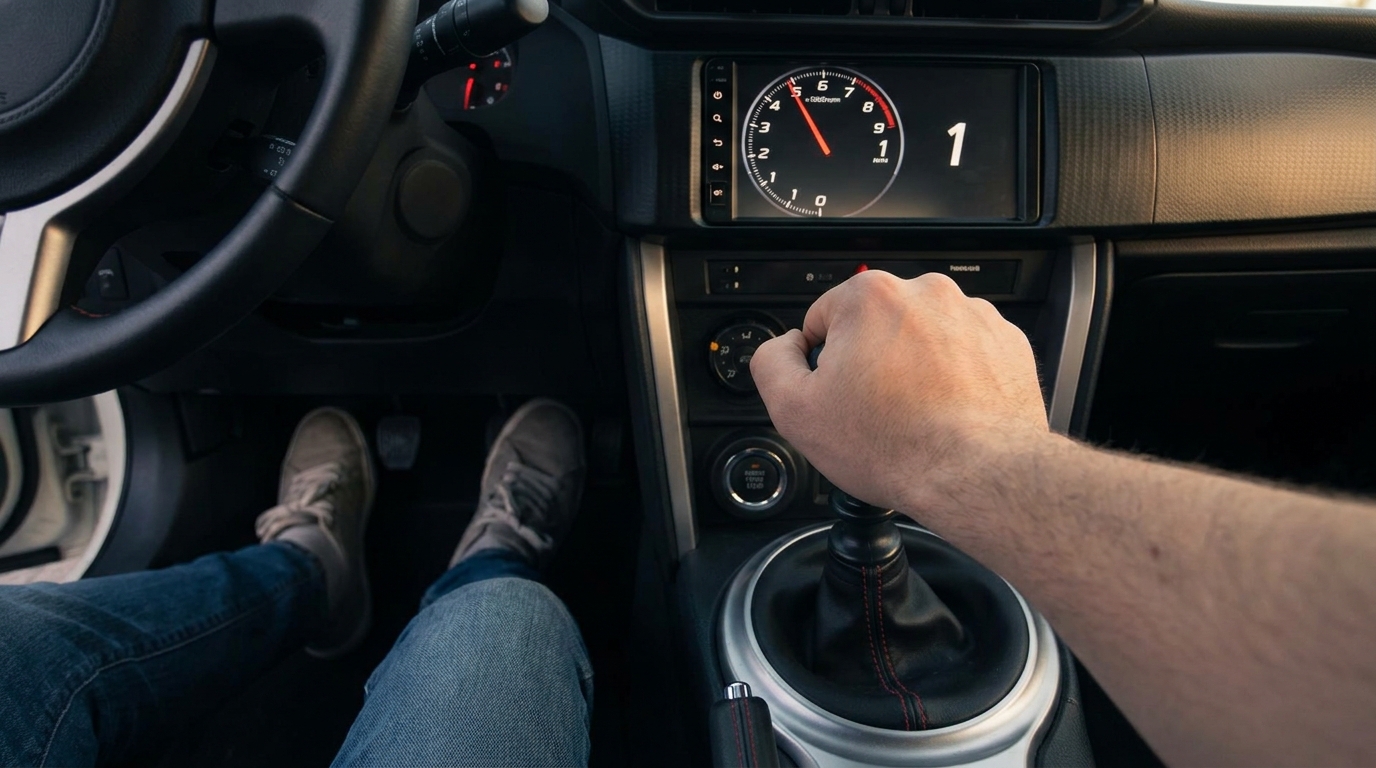
Switching 2nd gear smoothly remains one of the most challenging skills for new manual transmission drivers. Many beginners struggle with jerky shifts, stalled engines, or grinding gears during this critical transition point. Consequently, mastering this specific shift builds confidence and improves overall driving comfort significantly. Experienced drivers know that smooth gear transitions come from understanding clutch control, timing, and engine feedback. This article breaks down practical techniques, common mistakes, and helpful practice methods for perfecting this essential skill.
Why This Particular Shift Feels Challenging
New drivers often find the transition from first gear especially tricky compared to later shifts. This difficulty stems from the significant speed and RPM changes happening during this early transition point. Additionally, drivers must coordinate clutch release, gas application, and gear selection simultaneously within a brief moment. Unlike shifting between higher gears, this transition often happens while still accelerating from a complete stop. Therefore, timing becomes especially critical, since rushing or hesitating both create noticeable jerks or stalls. Furthermore, many new drivers feel nervous during this shift, which can lead to tense, imprecise movements. This nervousness often compounds the technical challenge, creating a cycle of anxiety and mechanical hesitation. Understanding why this shift feels difficult helps drivers approach practice with realistic expectations and patience.
Understanding the Mechanics Behind the Transition
Before mastering any gear change, drivers benefit from understanding what happens mechanically during the shift. The clutch disengages the engine from the transmission, allowing the driver to change gears safely. Meanwhile, the engine’s RPM must match the new gear’s requirements for a smooth, seamless transition. If RPM drops too low, the engine may stall or the car may lurch forward. Conversely, if RPM stays too high, the shift will feel jerky and abrupt to passengers. Therefore, drivers must learn to sense their engine’s sound and feel during each transition. This mechanical awareness develops gradually through consistent practice and attentive listening while driving. Additionally, understanding the relationship between clutch position and engine engagement helps drivers anticipate the right moment. Over time, this process becomes intuitive, requiring less conscious thought during everyday driving situations.
Step-by-Step Technique for a Smooth Shift
Achieving a smooth transition requires following a consistent, deliberate sequence of coordinated movements. First, ensure the vehicle has built sufficient speed and RPM before attempting the shift. Typically, this means reaching approximately 2,500 to 3,000 RPM, depending on the specific vehicle. Next, press the clutch pedal fully to the floor while simultaneously easing off the accelerator. Move the gear shifter smoothly from first into the second gear position without forcing it. Afterward, begin releasing the clutch gradually while applying gentle, steady pressure to the accelerator pedal. This gradual release allows the engine and transmission to reconnect smoothly, avoiding sudden jerks. Continue releasing the clutch fully once you feel the car accelerating steadily and smoothly. Throughout this process, avoid sudden movements, since abrupt changes create the jerky sensation many beginners experience. Practicing this sequence repeatedly helps build muscle memory, making the process feel natural over time.
Common Mistakes That Disrupt Smooth Transitions
Several frequent errors prevent new drivers from achieving consistently smooth gear transitions during this process. Releasing the clutch too quickly often causes the car to lurch or the engine to stall. Conversely, releasing the clutch too slowly can cause unnecessary engine strain and slower acceleration. Additionally, shifting too early, before reaching adequate speed, often results in a sluggish, underpowered feeling. Shifting too late, meanwhile, can cause the engine to rev excessively, creating a jarring, abrupt transition. Some drivers also forget to ease off the accelerator while pressing the clutch, causing engine surges. Furthermore, gripping the gear shifter too tightly can lead to forced, imprecise movements rather than smooth transitions. Nervous or tense body posture also contributes to jerky, uncoordinated shifting patterns among inexperienced drivers. Recognizing these common mistakes helps drivers identify areas needing focused practice and improvement.
The Role of Clutch Control in Smooth Shifting
Clutch control forms the foundation of every smooth gear transition, making it essential to master thoroughly. Drivers must develop sensitivity to the clutch’s “friction point,” where engagement begins gradually rather than suddenly. Finding this friction point requires practice, as it varies slightly between different vehicles and clutch systems. Many driving instructors recommend practicing clutch control in a safe, empty parking lot before attempting road driving. This controlled environment allows drivers to focus entirely on clutch feel without traffic-related distractions or pressure. Additionally, practicing gradual clutch release repeatedly helps drivers internalize the sensation of proper engagement. Over time, this skill transfers naturally to real driving conditions, including hills and busy intersections. Therefore, dedicating focused practice time specifically to clutch control significantly improves overall shifting smoothness and confidence.
Listening to Your Engine for Better Timing
Experienced manual transmission drivers rely heavily on sound and feel rather than watching the tachometer constantly. Learning to recognize your engine’s sound at different RPM ranges improves shifting timing significantly over time. A higher-pitched engine sound typically indicates it’s time to shift into the next gear. Conversely, a lower, straining sound suggests the engine needs more RPM before shifting comfortably. Additionally, drivers can feel vibrations and subtle changes in acceleration that signal optimal shifting moments. This sensory awareness develops gradually, becoming more intuitive with consistent practice and driving experience. Furthermore, different vehicles have unique engine characteristics, requiring drivers to adjust their listening and timing accordingly. Therefore, spending time with a specific vehicle helps drivers learn its particular sound and feel patterns. This familiarity ultimately makes smooth shifting feel automatic rather than requiring constant conscious calculation.
Practicing in Low-Pressure Environments
Building confidence with this gear transition requires deliberate practice in safe, controlled driving environments first. Empty parking lots offer ideal spaces for repeatedly practicing the shift without traffic or pedestrian concerns. Drivers can accelerate, shift, and stop repeatedly, focusing entirely on smooth, coordinated movements. Additionally, quiet residential streets with minimal traffic provide a slightly more realistic practice environment afterward. Gradually increasing complexity, such as practicing on gentle hills, helps drivers build broader skill sets. Furthermore, practicing during daylight hours initially reduces additional stress from limited visibility or nighttime driving conditions. Many driving schools specifically incorporate this progressive practice approach into their manual transmission training programs. Therefore, dedicating structured practice time in low-pressure settings accelerates skill development significantly compared to learning solely in traffic.
Adjusting Technique for Different Driving Conditions
Smooth gear transitions require slight technique adjustments depending on specific driving conditions and circumstances. Uphill starts, for example, require additional throttle and more gradual clutch release to prevent rolling backward. Meanwhile, downhill transitions often require less throttle, since gravity assists with forward momentum naturally. Wet or slippery road conditions demand gentler, more gradual inputs to maintain traction and control. Additionally, heavy traffic situations require quicker, more efficient shifts to keep pace with surrounding vehicles. Mountain or winding roads may require frequent shifting between first and second gears repeatedly. Therefore, adaptable technique becomes essential for drivers navigating varied real-world driving scenarios confidently. Practicing in diverse conditions, when safely possible, helps drivers develop this necessary adaptability over time. Consequently, well-rounded practice ultimately produces more versatile, confident manual transmission drivers overall.
Building Long-Term Muscle Memory
Consistent practice remains the most effective method for developing lasting muscle memory around gear transitions. Repetition allows the brain and body to internalize movements, reducing the need for conscious thought. Over weeks and months of regular driving, this shift eventually becomes automatic and effortless. Additionally, muscle memory helps drivers respond more quickly and smoothly to unexpected traffic situations. Many experienced drivers report they no longer consciously think about this particular transition after sufficient practice. Instead, their hands and feet coordinate naturally, based on ingrained patterns developed through repetition. Furthermore, occasional practice sessions, even after becoming comfortable, help maintain and refine this skill further. Therefore, viewing skill development as an ongoing process, rather than a one-time achievement, proves beneficial. This mindset encourages continued improvement and adaptability across various vehicles and driving situations.
Troubleshooting Persistent Difficulties
Some drivers continue struggling with this transition despite consistent practice and genuine effort over time. In these situations, seeking feedback from an experienced driver or instructor often proves incredibly helpful. An outside observer can identify specific habits or timing issues that self-assessment might miss entirely. Additionally, recording practice sessions, when safely possible, allows drivers to review their own technique objectively. Sometimes, persistent difficulty stems from tension or anxiety rather than purely technical skill gaps. Therefore, practicing relaxation techniques alongside physical practice can improve overall shifting smoothness significantly. Additionally, ensuring proper seat position and pedal reach can eliminate physical barriers to smooth movement. Mechanical issues, such as a worn clutch, can also contribute to persistent shifting difficulties unexpectedly. Therefore, ruling out mechanical problems ensures practice efforts translate into genuine skill improvement.
Final Thoughts on Mastering This Essential Skill
Mastering this particular gear transition takes time, patience, and consistent, deliberate practice for most drivers. However, the resulting confidence and smoothness significantly enhance overall driving comfort and enjoyment. By understanding the mechanics, practicing proper technique, and learning from common mistakes, drivers improve steadily. Additionally, adjusting technique for different conditions helps drivers become more versatile and confident overall. Ultimately, this skill becomes second nature through repetition, patience, and attentive practice over time. New manual transmission drivers should feel encouraged, knowing that persistence consistently leads to smooth, confident shifting.