
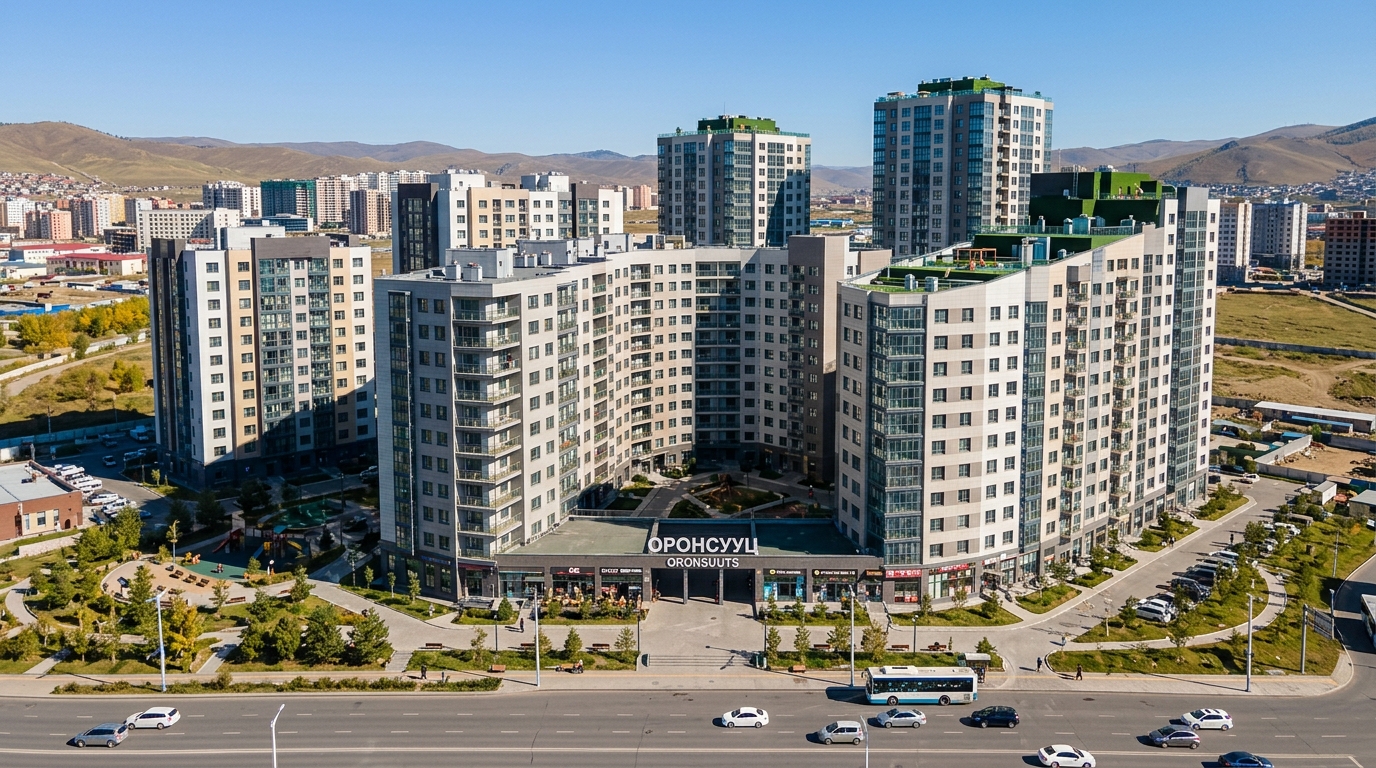
Discovering a New Era of Urban Living in Mongolia
Mongolia is changing faster than most outsiders realize, and nowhere is this transformation more visible than in its rapidly evolving urban housing landscape. Glass-fronted towers, smart-equipped residential complexes, and thoughtfully designed living spaces are reshaping city skylines across the country. Oronsuuts represents this exciting shift toward modern apartment living in Mongolia, offering urban residents a dramatically improved quality of life compared to traditional housing options. Furthermore, this guide explores everything prospective buyers, renters, and curious observers need to understand about contemporary Mongolian apartment culture. Consequently, whether you are relocating to Ulaanbaatar, investing in Mongolian real estate, or simply curious about urban life on the steppe, this comprehensive resource delivers the essential insights you need.
Understanding Mongolia’s Urban Housing Transformation
From Ger Districts to Glass Towers
Mongolia’s housing story begins with the ger — the iconic circular felt dwelling that nomadic herders have used for thousands of years across the vast steppe. However, rapid urbanization throughout the late twentieth and early twenty-first centuries brought millions of Mongolians into cities seeking education, employment, and economic opportunity. Therefore, the housing demands of this growing urban population created enormous pressure on cities to develop new residential infrastructure quickly and at scale.
Initially, many rural migrants settled in ger districts surrounding Ulaanbaatar, maintaining traditional dwelling styles within an urban context. These districts provided affordable and familiar living arrangements but lacked modern utilities, efficient heating systems, and reliable infrastructure connections. Consequently, city planners, developers, and government agencies recognized the urgent need to develop proper apartment housing that could serve Mongolia’s growing urban middle class.
Furthermore, rising incomes, expanding mortgage availability, and a growing appreciation for modern conveniences have steadily shifted housing preferences among younger Mongolian families. Today’s urban Mongolians increasingly prioritize central heating, reliable water supply, modern kitchen appliances, and secure building access when making housing decisions. As a result, the modern apartment sector has grown explosively and continues attracting both domestic and international real estate investment.
The Role of Economic Growth in Shaping Housing Demand
Mongolia’s mineral wealth, particularly its vast coal, copper, and gold reserves, generated significant economic growth that transformed middle-class purchasing power substantially. Rising household incomes enabled more Mongolian families to consider apartment ownership as a realistic and attainable financial goal. Therefore, demand for quality residential apartments surged across Ulaanbaatar and other growing urban centers throughout the country.
Moreover, foreign investment in Mongolia’s mining sector brought expatriate workers, international business professionals, and development consultants who required quality housing matching international standards. This international demand created a premium segment within the apartment market that pushed developers toward higher construction and design standards. Consequently, the entire housing market benefited as international quality expectations gradually influenced domestic construction practices and buyer expectations.
Additionally, Mongolia’s young demographic profile means that a large cohort of first-time homebuyers continues entering the market every year. Young professionals, newlyweds, and small families represent the core demand driver for modern apartment development across the country. As a result, developers focus considerable attention on designing apartments that appeal specifically to the tastes, budgets, and lifestyle needs of younger urban Mongolians.
Ulaanbaatar: The Heart of Modern Apartment Living
Key Neighborhoods and Their Distinct Characters
Ulaanbaatar functions as Mongolia’s undisputed urban center, housing roughly half the country’s entire population within its expanding boundaries. The city contains several distinct districts, each offering different lifestyle advantages, price points, and neighborhood atmospheres for apartment dwellers. Therefore, understanding these neighborhoods helps prospective residents and investors match their specific needs to the right geographic location.
Sukhbaatar District sits at the geographic and symbolic heart of Ulaanbaatar and hosts many of the city’s premium apartment developments. Government buildings, international hotels, cultural institutions, and upscale restaurants cluster in this central zone, making it extremely convenient for professionals. Furthermore, proximity to central business districts means that residents of Sukhbaatar District minimize commute times and maximize their access to urban amenities daily.
Bayanzurkh District extends eastward from the city center and offers a more diverse mix of housing options at a broader range of price points. Families with children particularly appreciate this district because of its concentration of schools, parks, and community facilities. Consequently, Bayanzurkh has developed a strong reputation as a family-friendly neighborhood that balances urban convenience with a slightly quieter residential atmosphere.
Khan-Uul District in the southern part of the city has attracted significant new development in recent years, including several ambitious modern apartment complexes. Its location near the airport and major transport corridors makes it appealing for frequent travelers and logistics professionals. Additionally, land availability in this district has allowed developers to build larger-format complexes with more generous amenity offerings than denser central districts permit.
Infrastructure and Connectivity Considerations
Ulaanbaatar’s infrastructure has improved considerably over recent years, though residents and investors should still carefully evaluate connectivity before committing to a specific location. The city’s road network experiences significant congestion during morning and evening peak hours, particularly in central and southern districts. Therefore, proximity to workplace or access to public transport routes represents an important practical consideration for apartment selection.
Furthermore, district heating systems supplied by central thermal power plants serve most established neighborhoods, providing reliable warmth during Mongolia’s famously brutal winters. Modern apartment buildings connect to these district heating networks and supplement them with building-level heat management systems. As a result, residents of quality apartment buildings maintain comfortable interior temperatures even when outdoor temperatures plunge to minus thirty degrees Celsius or lower.
Additionally, high-speed internet infrastructure has expanded dramatically across Ulaanbaatar, with fiber optic connections now available in most modern apartment complexes. Mobile internet coverage from multiple competing providers ensures connectivity throughout the city and most surrounding areas. Consequently, remote workers, digital professionals, and internationally connected businesses find Ulaanbaatar’s connectivity increasingly adequate for their operational requirements.
What Modern Mongolian Apartments Actually Offer
Interior Design and Space Standards
Contemporary Mongolian apartment developments have adopted international design standards that would feel familiar to residents of Seoul, Beijing, or European capitals. Open-plan living areas, modern fitted kitchens, tiled bathrooms with proper ventilation, and double-glazed windows have become standard features in new developments. Therefore, residents enjoy living standards that compare favorably with comparable apartments in other Asian emerging market cities.
Moreover, Mongolian apartment developers have become increasingly attentive to storage solutions, which matter enormously in a culture that values practical functionality in domestic spaces. Built-in wardrobes, kitchen pantries, and utility storage areas appear consistently in thoughtfully designed modern apartments. Furthermore, many newer developments include dedicated parking spaces, bicycle storage, and stroller-friendly building access that families with young children specifically appreciate.
Additionally, floor-to-ceiling windows have become a signature design feature in premium Mongolian apartment developments, particularly those in elevated or peripheral locations. These generous window proportions serve a practical purpose by maximizing natural daylight during Mongolia’s short winter days. As a result, residents benefit from psychological wellbeing advantages that abundant natural light delivers throughout the long, dark winter months.
Building Amenities and Shared Facilities
Modern apartment complexes in Mongolia increasingly offer shared amenity spaces that extend the residential experience beyond individual unit boundaries. Fitness centers, rooftop terraces, children’s play areas, and resident lounges appear in mid-range and premium developments across Ulaanbaatar. Therefore, residents of these buildings enjoy lifestyle advantages that justify premium pricing compared to older or more basic housing alternatives.
Furthermore, secure underground parking represents one of the most valued building amenities given Ulaanbaatar’s harsh winter climate and challenging surface parking situation. Residents who can park vehicles in heated underground garages avoid the daily ordeal of clearing snow from cars and managing frozen door locks. Consequently, underground parking availability significantly influences purchasing and rental decisions among car-owning Mongolian households.
Moreover, building security systems including CCTV coverage, coded entry systems, and on-site concierge services provide residents with peace of mind and genuine practical protection. Many premium developments employ twenty-four-hour building management staff who handle maintenance requests, receive deliveries, and monitor building access continuously. As a result, residents enjoy both objective security improvements and the subjective comfort of knowing trained staff manage their building professionally.
Heating Systems and Winter Preparedness
Mongolia’s extreme continental climate makes heating system quality arguably the single most important technical specification for any apartment building. Temperatures regularly drop below minus twenty-five degrees Celsius for extended periods during the six-month winter season. Therefore, prospective apartment buyers and renters must scrutinize building heating system specifications, insulation standards, and window quality with particular care.
Furthermore, newer apartment buildings increasingly supplement district heating connections with individual unit thermostats that allow residents to control their own heating levels. This individual control capability represents a significant improvement over older Soviet-era apartment buildings where residents had no control over heating intensity. Additionally, high-performance thermal insulation in external walls and roofs reduces heat loss dramatically and lowers overall heating costs for residents throughout the winter.
Consequently, well-constructed modern apartments maintain interior temperatures of twenty degrees Celsius or above even during the most extreme cold snaps without excessive energy consumption. This heating performance reliability is not merely a comfort issue but a genuine health and safety necessity in Mongolia’s climate. As a result, heating system quality commands enormous importance in Mongolian apartment valuations and buyer decision-making processes.
Buying and Renting: Practical Market Guidance
Understanding the Purchase Process
Buying an apartment in Mongolia involves a process that combines elements familiar to international investors with some distinctly local legal and administrative procedures. Foreign nationals can purchase apartments in Mongolia though specific legal restrictions on land ownership require careful navigation with qualified legal assistance. Therefore, any foreign buyer should engage a reputable local lawyer before committing to any purchase agreement or transferring any funds.
Furthermore, the State Registration Service manages property title registration, and ensuring clean title transfer represents a critical step in any purchase transaction. Buyers should conduct thorough due diligence on property ownership history, existing mortgage encumbrances, and any outstanding municipal obligations attached to the property. Consequently, skipping proper legal due diligence exposes buyers to significant financial and legal risks that can prove extremely costly to resolve afterward.
Moreover, mortgage financing has become more widely available through Mongolian commercial banks, though interest rates remain higher than those typical in developed markets. The government has periodically introduced subsidized mortgage programs targeting younger and lower-income first-time buyers to improve housing accessibility. As a result, more Mongolian families can now access apartment ownership through structured financing rather than relying entirely on cash purchases or family financial support.
Rental Market Dynamics and Pricing
Ulaanbaatar’s rental market offers options spanning from budget-friendly older apartments to luxury furnished units targeting expatriate professionals and diplomats. Rental prices vary enormously based on location, building quality, furnishing level, and included utility arrangements. Therefore, renters benefit from clearly defining their priorities and budget parameters before beginning their property search in earnest.
Furthermore, the expatriate rental market concentrated around central Ulaanbaatar commands premium pricing that reflects international demand and limited supply of truly high-quality furnished units. Companies relocating staff to Mongolia typically provide housing allowances that shape this premium market segment significantly. Consequently, understanding whether your housing needs align with the local or expatriate market segment helps set realistic budget and expectation parameters from the outset.
Additionally, rental agreements in Mongolia typically run for one-year terms with options to renew, though shorter arrangements exist for diplomatic and corporate tenants requiring greater flexibility. Security deposits of one to two months’ rent represent standard practice across most of the rental market. Moreover, utility arrangements vary considerably between rental agreements, with some landlords including heating costs while others require tenants to manage utility accounts independently.
Investment Considerations and Market Outlook
Mongolia’s apartment market offers genuine investment opportunities for those willing to navigate its specific risks and complexities thoughtfully. Population growth, continuing urbanization, rising incomes, and improving mortgage accessibility all support long-term demand for quality residential apartments. Therefore, well-located quality apartments in established Ulaanbaatar neighborhoods have demonstrated reasonable capital appreciation over extended investment horizons.
Furthermore, rental yield potential in Ulaanbaatar can be attractive compared to many regional markets, particularly for well-furnished units targeting the professional rental segment. Investors who understand local tenant preferences, building quality requirements, and neighborhood dynamics consistently outperform those who apply generic investment assumptions. Consequently, local market knowledge and trusted local partnerships matter enormously for achieving satisfactory investment outcomes in this distinctive market.
Living Well in a Mongolian Apartment: Practical Tips
Adapting to Seasonal Extremes
Apartment living in Mongolia requires practical adaptations to seasonal extremes that newcomers sometimes underestimate before experiencing their first Ulaanbaatar winter. Investing in quality winter clothing, understanding building heating schedules, and preparing for occasional infrastructure disruptions during extreme cold events all contribute to comfortable winter apartment living. Therefore, new residents benefit enormously from connecting with experienced local residents who can share practical seasonal living wisdom.
Furthermore, summer brings its own considerations including air quality management during dusty dry periods, and managing solar heat gain through large south-facing windows. Portable air conditioning units have become increasingly common in Ulaanbaatar apartments as summer temperatures occasionally climb higher than historical averages. Additionally, maintaining adequate water storage for occasional supply interruptions represents a practical habit that experienced Ulaanbaatar residents develop quickly.
Community and Social Life in Apartment Buildings
Mongolian apartment buildings foster distinctive community dynamics that blend traditional Mongolian hospitality values with contemporary urban living norms. Neighbors frequently support each other during difficult weather events, building maintenance situations, and family celebrations. Therefore, investing time in building neighborly relationships pays genuine practical dividends throughout your apartment living experience in Mongolia.
Moreover, many modern apartment complexes establish resident committees that coordinate building management, negotiate with property managers, and represent collective resident interests. Participating in these committees helps residents influence their living environment positively and stay informed about important building developments. Consequently, engaged residents consistently report higher satisfaction with their apartment living experience than those who remain detached from their building community.
Conclusion
Mongolia’s apartment market tells a compelling story about a nation rapidly reinventing its relationship with urban living, modern infrastructure, and contemporary residential design. Oronsuuts captures this transformation perfectly, representing the aspirations, achievements, and ongoing journey of Mongolian urban housing development. Furthermore, understanding this market deeply rewards buyers, renters, investors, and urban observers who take the time to engage seriously with its unique characteristics and dynamics. Therefore, whether your interest in Mongolian apartments is personal, professional, or purely exploratory, this remarkable housing market offers far more depth, opportunity, and fascination than most outsiders initially expect. Consequently, the story of modern apartment living in Mongolia is ultimately a story about a proud and resourceful people building the urban future they have chosen for themselves.