
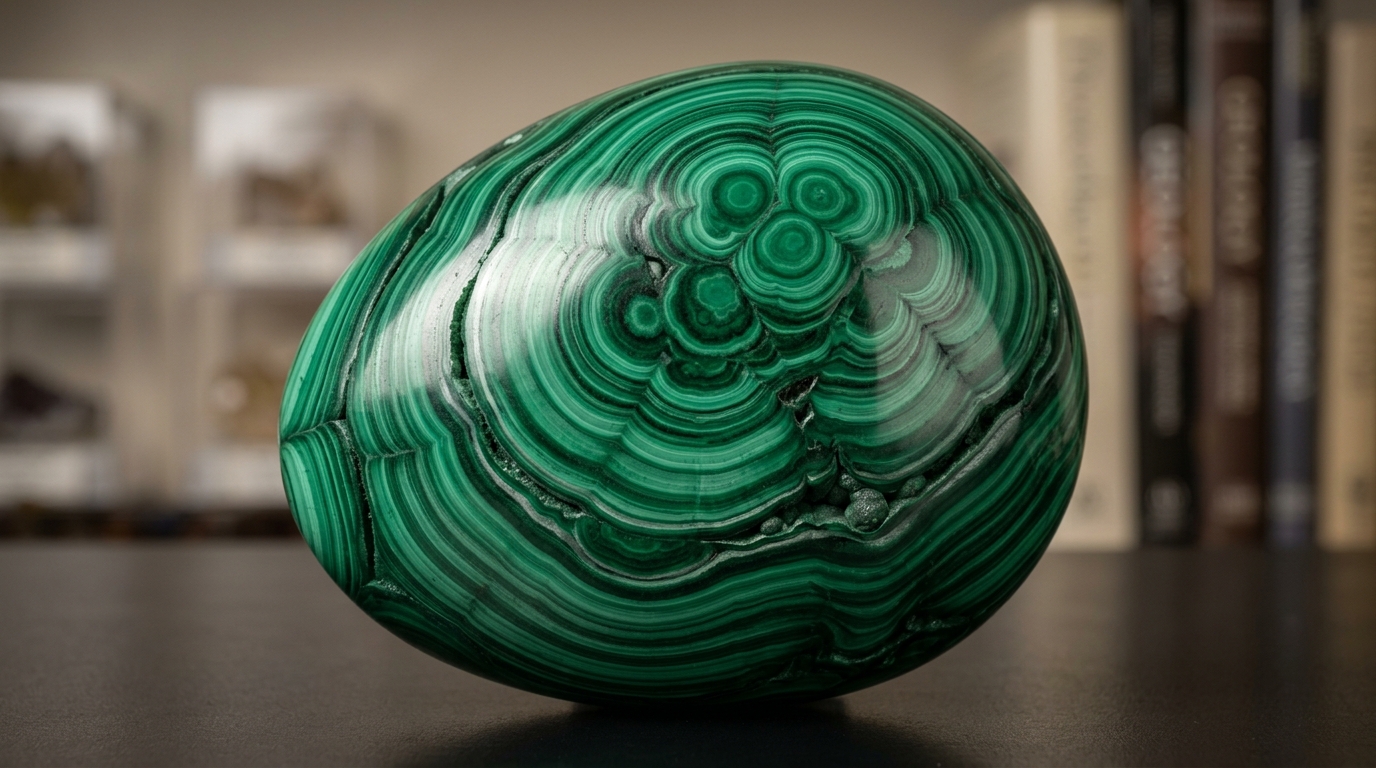
Malachite has captivated people for centuries, earning a reputation as a powerful stone associated with change and growth. This striking green mineral, known for its distinctive banded patterns, carries deep symbolic meaning across many cultures. Achievers and ambitious individuals often turn to this stone when seeking clarity during periods of significant transition. Furthermore, its vibrant appearance and rich history make it a popular choice among crystal enthusiasts worldwide. This article explores why this remarkable stone earns its transformative reputation and how people use it today.
The Historical Significance of This Stone
Ancient civilizations valued this striking mineral long before modern crystal enthusiasts embraced its symbolic properties and uses. Egyptians used it extensively, grinding it into pigment for cosmetics and incorporating it into protective amulets. Similarly, ancient Greeks and Romans recognized its beauty, using it in jewelry and decorative objects throughout their societies. Miners in the Ural Mountains later discovered massive deposits, cementing its association with Russian craftsmanship and imperial luxury. Consequently, this stone traveled through history as both a practical material and a symbol of protection.
Throughout various cultures, people believed this stone offered protection against negative energy and unwanted external influences. Mothers historically gave pieces to children, believing the stone shielded them from harm during vulnerable developmental years. Additionally, healers incorporated it into remedies, though modern science does not support these historical medicinal claims. This rich historical backdrop helps explain why the stone continues carrying such strong symbolic weight today. Understanding this history provides valuable context for appreciating its modern reputation among achievers and spiritual practitioners alike.
Understanding the Physical Properties
Beyond its symbolic reputation, this mineral possesses distinct physical characteristics that make it instantly recognizable among gemstone collectors. Its vivid green color results from copper content within the mineral’s chemical composition, creating striking visual patterns. The banded appearance, often featuring concentric circles or swirling patterns, gives each piece a unique, one-of-a-kind look. Furthermore, this stone forms through a process involving copper deposits interacting with carbonate-rich water over extended periods. This geological process explains why deposits often appear near copper mines throughout various regions worldwide.
Despite its beauty, this stone requires careful handling since it ranks relatively low on the hardness scale. Consequently, jewelry makers often coat pieces with protective sealants to prevent scratching or damage during everyday wear. Additionally, this stone can release toxic compounds when improperly processed, making professional handling essential during cutting and polishing. Understanding these physical properties helps collectors and buyers make informed decisions when purchasing pieces for personal use.
Why People Call It the Stone of Transformation
The transformative reputation associated with this stone stems from long-held beliefs about its energetic properties and symbolic meaning. Many crystal practitioners believe this stone helps individuals release old patterns, fears, and limiting beliefs holding them back. Consequently, people often turn to it during major life transitions, such as career changes or personal growth journeys. Additionally, some believe the stone absorbs negative energy, helping wearers process difficult emotions during challenging periods. This absorption quality supposedly makes the stone particularly powerful for those navigating significant emotional or professional shifts.
Furthermore, practitioners associate this stone with courage, believing it empowers individuals to embrace necessary risks during transformation. Achievers seeking to break free from stagnant situations often incorporate this stone into their personal growth practices. Similarly, some believe it enhances intuition, helping people make clearer decisions when facing important life crossroads. This combination of courage, clarity, and emotional release explains why the transformation association remains so strong. Therefore, understanding these beliefs helps explain the stone’s enduring popularity among those pursuing meaningful personal change.
How Achievers Use This Stone Today
Modern achievers incorporate this stone into their daily routines through various practical and symbolic methods that resonate personally. Many people carry small pieces in pockets or bags, believing proximity helps maintain focus during demanding workdays. Others place larger pieces on desks or workspaces, using the stone as a visual reminder of personal goals. Additionally, some incorporate it into jewelry, wearing pendants or rings that keep the stone’s symbolic energy close throughout the day. This constant physical presence supposedly reinforces the wearer’s commitment to ongoing personal or professional transformation.
Meditation practices frequently include this stone, with practitioners holding it during sessions focused on releasing limiting beliefs. Furthermore, some achievers use it during goal-setting exercises, believing the stone enhances clarity and strengthens their resolve. Home and office decor also incorporates this stone, with larger specimens serving as decorative centerpieces in meaningful spaces. Consequently, achievers integrate this stone into both practical and symbolic aspects of their personal growth journeys. This versatility explains why the stone remains popular among people from diverse professional and personal backgrounds.
The Emotional and Psychological Associations
Beyond physical properties, many people associate this stone with specific emotional and psychological benefits during periods of change. Believers suggest the stone helps process grief, anger, or fear, allowing individuals to move through difficult emotions. Additionally, some claim it supports emotional resilience, helping people bounce back from setbacks or unexpected life challenges. This resilience association particularly resonates with achievers who face frequent professional obstacles requiring mental and emotional strength. Furthermore, practitioners believe the stone encourages self-reflection, prompting deeper understanding of personal patterns and behaviors.
Some also associate this stone with confidence, believing it helps individuals trust their instincts during uncertain situations. This confidence boost supposedly empowers achievers to pursue ambitious goals without excessive hesitation or self-doubt. Additionally, believers suggest the stone fosters emotional balance, helping people navigate the ups and downs of significant transitions. While these claims remain rooted in belief rather than scientific evidence, many find comfort in these symbolic associations. Consequently, the emotional narrative surrounding this stone continues attracting people seeking support during challenging life chapters.
Incorporating This Stone Into Daily Practices
People interested in exploring this stone’s symbolic benefits can incorporate it into their routines through several accessible methods. Starting each morning by holding the stone briefly while setting daily intentions represents one simple approach. Additionally, placing the stone near a workspace serves as a visual reminder of personal transformation goals throughout the day. Some individuals prefer wearing jewelry featuring this stone, keeping its symbolic energy present during important meetings or decisions. This consistent presence supposedly reinforces the wearer’s commitment to embracing change and pursuing meaningful growth.
Meditation remains another popular method, with practitioners holding the stone while focusing on specific intentions or affirmations. Furthermore, some create dedicated spaces within their homes, arranging the stone alongside other meaningful objects for reflection. Journaling alongside the stone also appeals to many, combining written self-reflection with the stone’s symbolic presence nearby. Regardless of the specific method chosen, consistency remains key for those hoping to strengthen their connection. Therefore, exploring different approaches helps individuals discover which practices resonate most authentically with their personal journey.
Caring for This Delicate Stone Properly
Proper care ensures this beautiful stone maintains its vibrant appearance and structural integrity over extended periods of use. Since this mineral ranks relatively soft, avoiding harsh impacts or rough handling prevents unnecessary scratches or chips. Additionally, keeping the stone away from direct sunlight helps preserve its vivid green coloration over many years. Cleaning requires gentle methods, since harsh chemicals or ultrasonic cleaners can damage the stone’s delicate surface significantly. A soft, slightly damp cloth typically provides sufficient cleaning without risking damage to the stone’s structure.
Storing this stone separately from harder gemstones prevents accidental scratching during storage or transportation between locations. Furthermore, some practitioners recommend periodically cleansing the stone energetically, using methods like moonlight exposure or sound cleansing. While these practices remain rooted in belief rather than physical necessity, many find them meaningful additions to their routine. Consequently, combining practical care with symbolic cleansing helps owners maintain both the stone’s beauty and its perceived energy. Therefore, understanding proper care techniques ensures this treasured stone remains a lasting part of one’s collection.
Choosing Authentic Pieces When Purchasing
Given this stone’s popularity, buyers should exercise caution when selecting pieces to ensure they receive genuine, quality specimens. Purchasing from reputable dealers helps ensure authenticity, since counterfeit or synthetic versions sometimes appear within the marketplace. Additionally, examining the stone’s banding pattern helps buyers identify genuine pieces, since natural formations display irregular, organic patterns. Requesting certification or documentation from sellers provides additional assurance regarding a piece’s authenticity and geological origin. This diligence proves particularly important for buyers investing in larger or more expensive specimens.
Furthermore, understanding typical price ranges helps buyers recognize suspiciously low prices that might indicate synthetic or treated stones. Consulting with knowledgeable gemstone experts before making significant purchases also helps buyers avoid costly mistakes during selection. Additionally, examining the stone in person, when possible, allows buyers to assess quality and authenticity more accurately. Therefore, combining research, expert consultation, and careful examination helps ensure buyers acquire genuine, high-quality pieces confidently.
Final Thoughts
Malachite continues captivating people worldwide, blending striking natural beauty with a rich history of symbolic transformation and meaning. Throughout this article, we explored its historical significance, physical properties, and the beliefs surrounding its transformative reputation. Additionally, we examined how modern achievers incorporate this stone into daily practices supporting personal and professional growth. Ultimately, whether valued for its aesthetic appeal or symbolic associations, this stone holds meaningful significance for many people. Nevertheless, understanding proper care and authentication ensures collectors and enthusiasts enjoy this treasured stone for years ahead. As interest in crystals and symbolic stones continues growing, this remarkable mineral remains a lasting favorite among achievers.