
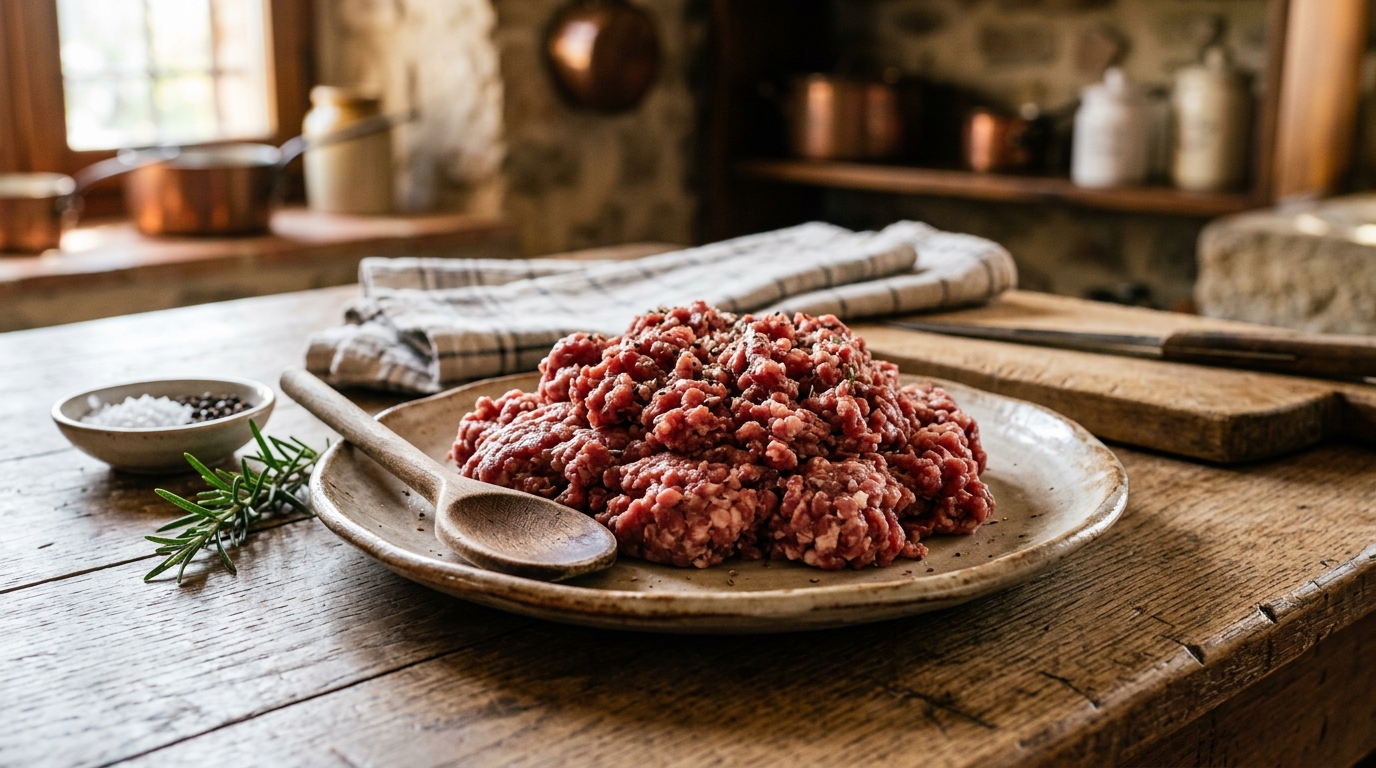
Levapioli represents a growing culinary approach that celebrates minced meat through simple techniques and bold flavors. Rather than relying on complicated methods, this style focuses on quality ingredients and careful preparation. Home cooks and food enthusiasts have embraced this concept because it delivers satisfying results without demanding professional kitchen skills. In this guide, we’ll explore the fundamentals of preparing minced meat dishes using this straightforward philosophy. Additionally, we’ll cover ingredient selection, seasoning techniques, cooking methods, and serving suggestions that bring out the best flavors possible.
Understanding the Core Philosophy
At its heart, this cooking style emphasizes letting quality ingredients shine without unnecessary complexity or excessive processing steps. Cooks who follow this approach typically choose fresh, well-sourced meat as their foundation for every dish. Consequently, the seasoning remains minimal, allowing the natural flavor of the meat to take center stage. Meanwhile, texture plays an equally important role, since properly minced meat creates a satisfying bite every time. This philosophy rewards patience and attention to detail rather than elaborate techniques or rare ingredients.
Why Simplicity Works Better Than Complexity
Many home cooks assume that impressive dishes require complicated recipes and hard-to-find ingredients for success. However, straightforward preparations often produce more consistent and flavorful results than overly ambitious recipes. Because minced meat absorbs seasoning quickly, simple spice blends can create deeply satisfying flavor profiles efficiently. Furthermore, fewer steps mean less room for error, which benefits cooks of every skill level. Therefore, mastering a few reliable techniques often produces better outcomes than chasing constantly changing culinary trends.
Choosing the Right Meat for Your Dish
Selecting quality meat forms the foundation of any successful minced meat preparation, regardless of your chosen recipe. Beef and lamb remain popular choices because they offer rich flavor and satisfying texture when properly prepared. Additionally, a moderate fat content, typically around fifteen to twenty percent, keeps the finished dish moist and flavorful. Lean cuts alone often produce dry, crumbly results that lack the juiciness most people expect. Consequently, asking your butcher for a slightly fattier grind can dramatically improve your final dish.
Fresh Versus Pre-Packaged Options
Freshly ground meat from a trusted butcher generally offers superior flavor compared to pre-packaged supermarket alternatives. Because freshly ground meat hasn’t sat in packaging for extended periods, it retains better texture and taste. However, quality pre-packaged options can still work well if you check the fat content and freshness date. Meanwhile, grinding your own meat at home using a meat grinder gives you complete control. This approach allows you to select your preferred cuts and control the exact fat ratio yourself.
Essential Seasoning Techniques
Proper seasoning transforms simple minced meat into a memorable dish without overwhelming its natural, satisfying flavor. Salt should always go in first, since it helps draw out moisture and enhance overall taste. Additionally, incorporating finely minced garlic and onion adds depth without overpowering the meat’s inherent richness. Fresh herbs, such as parsley or oregano, contribute brightness that balances the dish’s heartier elements nicely. Meanwhile, a touch of black pepper and paprika rounds out the flavor profile beautifully.
Balancing Flavors Without Overpowering the Meat
Achieving the right flavor balance requires restraint, since too many competing spices can mask the meat’s natural taste. Therefore, start with smaller seasoning amounts and adjust gradually as you taste throughout the preparation process. Additionally, allowing the seasoned meat to rest for fifteen to twenty minutes lets flavors meld together properly. This resting period makes a noticeable difference in the final taste, even though it requires minimal effort. Consequently, patience during this stage pays significant dividends in your finished dish’s overall quality.
Mixing and Shaping the Meat Properly
Proper mixing technique significantly impacts the final texture of your minced meat preparation, so handle it carefully. Overworking the meat during mixing can create a dense, tough texture that diminishes overall eating enjoyment. Instead, gently combine your seasonings using your hands, working just until everything incorporates evenly throughout. Afterward, shape the mixture into your desired form, whether that’s patties, small sausages, or meatballs. Consistent sizing ensures even cooking, so try to keep each portion roughly the same weight.
Common Mixing Mistakes to Avoid
Many home cooks make the mistake of mixing meat too vigorously, which compresses the proteins and creates toughness. Additionally, adding too much liquid or filler ingredients can result in a mixture that falls apart easily. Therefore, keep additional ingredients minimal and focus on binding agents only when the recipe specifically requires them. Furthermore, working with cold meat rather than room-temperature meat helps maintain better texture during the shaping process. Chilling your hands briefly before shaping can also prevent the fat from melting prematurely.
Cooking Methods That Deliver Great Results
Grilling remains one of the most popular methods for cooking minced meat dishes, thanks to its smoky flavor. High heat sears the exterior quickly, locking in juices while creating a satisfying charred crust outside. Alternatively, pan-frying offers excellent control over cooking temperature, making it ideal for beginners still building confidence. Meanwhile, baking provides a hands-off approach that works well for larger batches or busier weeknight cooking. Regardless of your chosen method, using a meat thermometer ensures perfectly cooked results every single time.
Achieving the Perfect Sear
A proper sear creates textural contrast between a crispy exterior and a tender, juicy interior throughout the dish. To achieve this, ensure your cooking surface reaches high heat before adding the shaped meat portions. Additionally, avoid overcrowding the pan or grill, since this traps steam and prevents proper browning from occurring. Furthermore, resist the urge to flip too early, allowing a natural crust to develop first. Once properly seared, the meat releases easily from the cooking surface without sticking or tearing.
Serving Suggestions and Pairings
Minced meat dishes pair wonderfully with fresh, simple accompaniments that complement rather than compete with the main flavor. Warm flatbread makes an excellent base, allowing diners to wrap or scoop the seasoned meat easily. Additionally, a side of fresh vegetables, such as sliced tomatoes and cucumbers, adds welcome brightness and crunch. Tangy yogurt-based sauces provide cooling contrast against the richness of the grilled or pan-fried meat. Meanwhile, a simple herb garnish elevates presentation without requiring additional cooking time or effort.
Creating a Complete Meal Experience
Building a complete meal around minced meat dishes involves thinking beyond just the protein component itself. Consider adding a starch, such as rice, roasted potatoes, or grain salad, for balance. Additionally, incorporating pickled vegetables introduces acidity that cuts through the richness of the seasoned meat. Fresh herb salads, tossed with lemon and olive oil, provide a refreshing counterpoint to heartier elements. Together, these components create a satisfying, well-rounded meal that showcases the meat’s flavor beautifully.
Storage and Meal Prep Tips
Proper storage extends the life of both raw and cooked minced meat preparations while maintaining food safety standards. Raw seasoned meat mixtures should stay refrigerated and used within one to two days for best quality. Alternatively, freezing shaped portions before cooking allows you to prepare meals in advance for busier weeks. Cooked leftovers keep well in the refrigerator for three to four days when stored in airtight containers. Consequently, planning ahead with proper storage techniques makes weeknight cooking significantly more convenient and efficient.
Reheating Without Losing Quality
Reheating minced meat dishes requires gentle heat to avoid drying out the meat or ruining its original texture. Therefore, using a covered pan over low heat helps retain moisture better than high-powered microwave reheating. Additionally, adding a small splash of water or broth during reheating can restore some lost juiciness. Meanwhile, allowing refrigerated portions to come closer to room temperature before reheating promotes more even warming throughout. This small extra step makes a noticeable difference in the reheated dish’s overall enjoyment.
Experimenting With Variations
Once you’ve mastered the basic technique, experimenting with different spice blends and ingredients keeps this approach exciting long-term. Try incorporating different herb combinations, such as mint and cilantro, for a completely different flavor direction. Additionally, mixing different meat varieties, like combining beef with lamb, creates unique flavor complexity worth exploring. Furthermore, adjusting your cooking method between grilling, pan-frying, and baking offers variety without changing your core technique. Ultimately, this flexibility allows you to keep meals interesting while staying true to the simple philosophy.
Conclusion
Mastering minced meat preparation through simplicity and careful technique rewards cooks with consistently flavorful and satisfying results. By focusing on quality ingredients, proper seasoning, and mindful cooking methods, anyone can create memorable dishes at home. Furthermore, understanding proper mixing, shaping, and storage techniques ensures your efforts translate into consistently great outcomes. As you continue practicing these fundamentals, you’ll develop confidence and intuition that extends beyond any single recipe. Ultimately, this straightforward approach proves that great cooking doesn’t require complexity, just attention and care.