
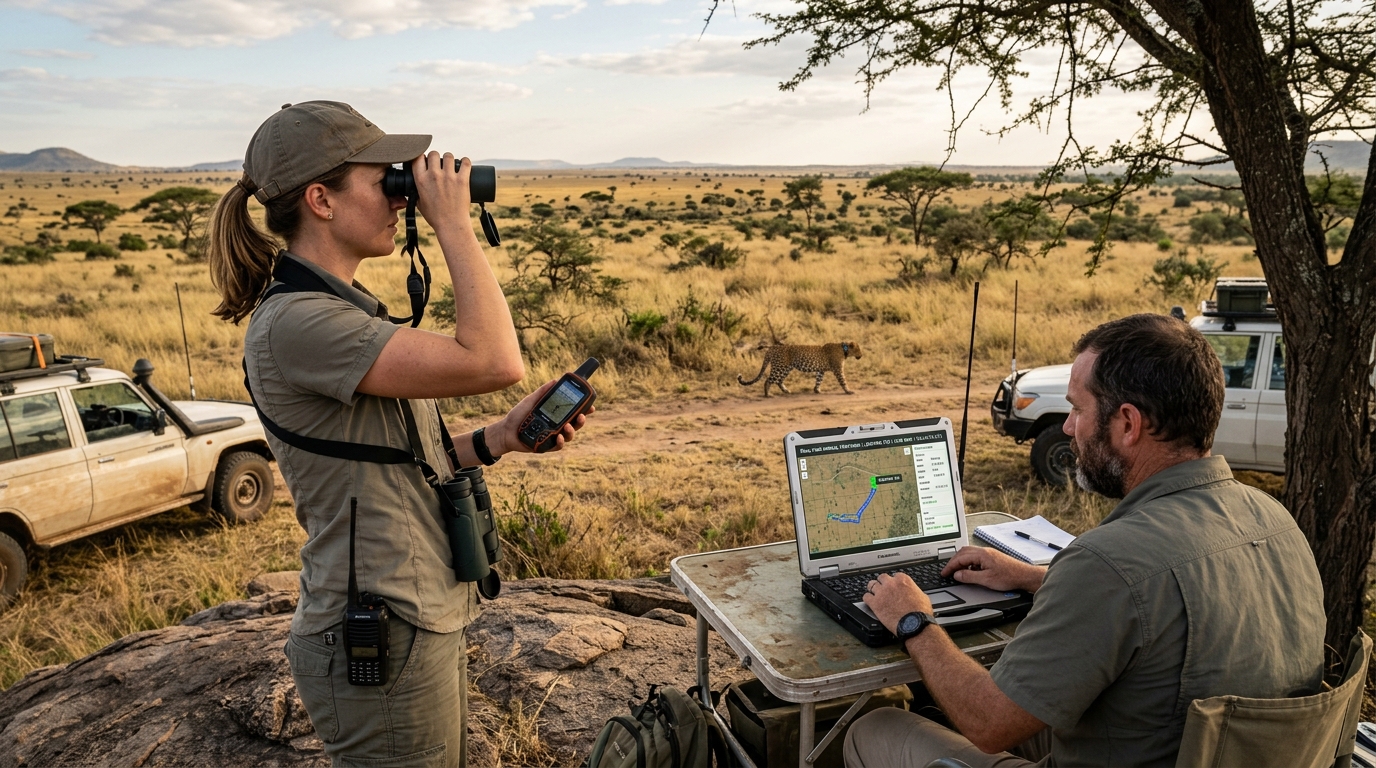
Conservation efforts have transformed dramatically over the past decade, largely thanks to advances in monitoring technology. Real-time animal tracking now allows researchers and wildlife managers to observe animal movements with unprecedented precision and immediacy. Consequently, this technology provides critical insights into migration patterns, habitat use, and threats facing vulnerable species. As climate change and habitat loss accelerate globally, these tools become increasingly essential for effective conservation strategy. This article explores how real-time tracking works, why it matters, and what challenges remain for widespread implementation.
Understanding the Technology Behind Animal Tracking
Modern tracking systems rely on a combination of GPS technology, satellite communication, and increasingly sophisticated sensor arrays. Researchers attach lightweight collars, tags, or implants to animals, which then transmit location data at regular intervals. Subsequently, this information travels via satellite or cellular networks to researchers monitoring the data remotely. Unlike older tracking methods, which required physically locating animals with radio antennas, modern systems provide continuous, automated updates. As a result, scientists can monitor multiple animals simultaneously across vast geographic areas without constant field presence.
From Radio Collars to Satellite Systems
Tracking technology has evolved considerably since researchers first began using radio collars decades ago. Early systems required teams to physically search for signals, often spending hours or days locating a single animal. However, satellite-based GPS systems eliminated this labor-intensive process, transmitting precise coordinates directly to research databases. Additionally, modern tags have become dramatically smaller and lighter, allowing researchers to track species that previously couldn’t carry tracking equipment. Because of these advancements, scientists now study everything from massive whales to small songbirds with remarkable accuracy and minimal disturbance.
Applications in Wildlife Conservation
Real-time tracking serves numerous conservation purposes, from protecting endangered species to managing human-wildlife conflict effectively. For instance, conservationists use tracking data to identify critical habitats that require legal protection or restoration efforts. Similarly, understanding migration corridors helps planners design infrastructure that minimizes disruption to established animal movement patterns. Furthermore, tracking technology plays a crucial role in anti-poaching efforts, alerting rangers when animals enter high-risk areas. Consequently, wildlife managers can respond quickly to emerging threats, rather than discovering problems only after significant harm occurs.
Protecting Endangered Species
For critically endangered species, every individual animal’s survival carries significant weight for overall population recovery. Therefore, tracking technology allows researchers to monitor these animals closely, identifying threats before they become fatal. For example, rangers can receive immediate alerts if a tracked rhino suddenly stops moving, potentially indicating poaching activity. Additionally, tracking data helps researchers understand breeding patterns, informing targeted conservation interventions that support population growth. As populations recover gradually, this technology continues providing essential data for adjusting management strategies based on real outcomes.
Managing Human-Wildlife Conflict
As human populations expand into previously wild areas, conflicts between people and animals increasingly threaten both safety and conservation. Real-time tracking helps mitigate these conflicts by providing early warning systems for communities living near dangerous wildlife. For instance, farmers in elephant corridors can receive alerts when tracked elephants approach agricultural areas, allowing preventive action. Consequently, this proactive approach reduces crop damage and protects both human livelihoods and animal lives simultaneously. Moreover, this technology fosters greater community tolerance for wildlife, since fewer negative encounters occur.
Reducing Vehicle Collisions with Wildlife
Vehicle collisions represent a significant threat to wildlife populations, particularly for large mammals crossing busy roadways. Tracking data helps transportation planners identify high-risk crossing zones, informing decisions about wildlife corridors and road signage. Additionally, some advanced systems now integrate with traffic alert systems, warning drivers when tracked animals approach roadways in real time. As a result, this technology potentially saves both animal lives and prevents dangerous accidents for human drivers. Over time, accumulated data also helps researchers understand broader patterns in animal road-crossing behavior.
Climate Change and Migration Patterns
Climate change increasingly disrupts traditional migration patterns, making real-time tracking more valuable than ever before. As temperatures shift and habitats change, many species alter their movement patterns in response to new environmental conditions. Consequently, researchers rely on tracking data to understand how climate change affects timing, routes, and success of migrations. Furthermore, this information helps conservationists identify which habitats will become increasingly critical as environmental conditions continue shifting. Without accurate tracking data, predicting and responding to these changes would prove significantly more difficult for wildlife managers.
Identifying Climate Refugia
Climate refugia refer to areas that remain relatively stable despite broader environmental changes, offering species crucial protection. Tracking data helps researchers identify these refugia by revealing where animals congregate as conditions elsewhere become unsuitable. Subsequently, this information guides conservation priorities, helping organizations focus limited resources on protecting these especially valuable areas. Additionally, understanding refugia locations helps predict where species might need assistance migrating as climate change accelerates further. Because these areas become increasingly important, accurate identification through tracking technology significantly strengthens long-term conservation planning efforts.
Data Analysis and Predictive Modeling
Collecting tracking data represents only the first step; analyzing this information effectively requires sophisticated computational tools and expertise. Researchers increasingly use machine learning algorithms to identify patterns within massive datasets generated by continuous animal tracking. Consequently, these tools can predict future movements, identify anomalies suggesting distress, and reveal previously unknown behavioral patterns. Additionally, predictive modeling helps conservationists anticipate problems before they occur, rather than simply reacting to events after they happen. As computational power continues improving, these analytical capabilities will likely become even more sophisticated and valuable.
Collaborative Data Sharing Networks
Many conservation organizations now participate in collaborative networks that share tracking data across international boundaries and institutions. This collaboration proves particularly valuable for species that migrate across multiple countries, since no single organization can monitor entire migration routes. Therefore, shared databases allow researchers worldwide to access comprehensive datasets, improving overall understanding of global wildlife movement patterns. Additionally, this collaborative approach reduces duplication of effort, allowing resources to focus on filling genuine knowledge gaps. As these networks expand, they increasingly represent a powerful tool for coordinated, large-scale conservation planning.
Challenges Facing Widespread Implementation
Despite significant benefits, real-time tracking technology faces several practical challenges that limit widespread adoption across conservation efforts. Cost remains a substantial barrier, since GPS collars and satellite communication systems require considerable financial investment. Additionally, capturing and fitting animals with tracking devices carries inherent risks, both for researchers and the animals themselves. Furthermore, battery life limitations mean that devices eventually require replacement, necessitating additional capture events that stress animals unnecessarily. Because of these challenges, researchers must carefully weigh the benefits of tracking against potential risks and costs involved.
Balancing Technology with Animal Welfare
Animal welfare considerations remain paramount when implementing any tracking program, regardless of the valuable data it might provide. Researchers must ensure that tracking devices don’t impede natural behaviors, cause discomfort, or increase vulnerability to predation. Consequently, extensive testing and careful design work precede deployment of any new tracking technology in wild populations. Additionally, ethical guidelines increasingly require researchers to demonstrate that tracking benefits outweigh potential risks to individual animals. As technology continues advancing, manufacturers strive to create smaller, lighter, and less invasive devices that minimize welfare concerns.
The Future of Wildlife Tracking Technology
Looking ahead, several emerging technologies promise to further revolutionize how conservationists monitor and protect wildlife populations globally. Miniaturization continues progressing, potentially allowing researchers to track increasingly small species that previously couldn’t carry tracking equipment. Additionally, improvements in battery technology and solar charging capabilities may extend device lifespans significantly, reducing the need for recapture. Furthermore, integration with artificial intelligence could enable real-time behavioral analysis, automatically flagging concerning patterns for immediate researcher attention. As these technologies mature, wildlife tracking will likely become even more precise, less invasive, and more broadly accessible.
Citizen Science and Public Engagement
Beyond professional research applications, tracking technology increasingly engages public interest and supports citizen science initiatives worldwide. Many organizations now share tracking data publicly, allowing enthusiasts to follow individual animals’ journeys through interactive online platforms. Consequently, this transparency builds public support for conservation efforts while raising awareness about threats facing various species. Additionally, some programs invite citizen scientists to contribute observations that complement official tracking data, creating richer datasets overall. As public engagement grows, this collaborative model may prove increasingly valuable for supporting long-term conservation funding and policy support.
Conclusion
Real-time animal tracking has fundamentally transformed wildlife management, providing conservationists with unprecedented insight into animal behavior and movement patterns. From protecting endangered species to managing human-wildlife conflict, this technology addresses numerous critical conservation challenges simultaneously. While cost and ethical considerations present ongoing challenges, continued technological advancement promises increasingly effective and less invasive solutions. As climate change accelerates and habitats continue shifting, accurate tracking data becomes ever more essential for informed conservation decision-making. Ultimately, this technology represents a powerful tool for protecting biodiversity and ensuring wildlife populations thrive for generations to come.