
Introduction
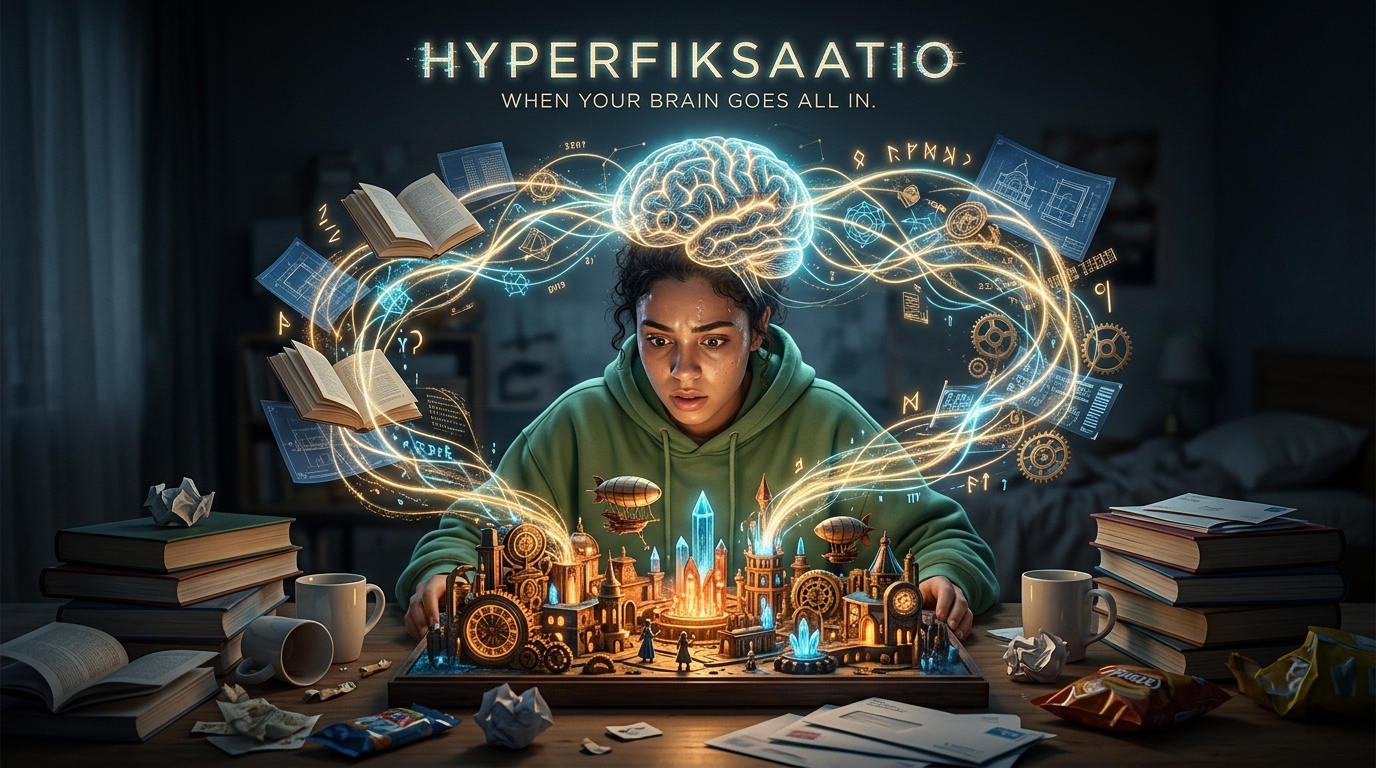
Hyperfiksaatio describes a fascinating mental state where the brain becomes completely absorbed in one interest. Consequently, individuals experiencing this phenomenon often lose track of time entirely while engaged. Furthermore, this intense focus differs significantly from ordinary concentration or casual interest in a topic. As a result, understanding this experience helps people recognize patterns within their own cognitive behavior. Therefore, exploring what drives this all-consuming mental state reveals important insights about human attention.
Understanding the Concept of Hyperfiksaatio
At its core, this phenomenon represents an extreme form of sustained attention toward specific subjects. Initially, the experience might begin as simple curiosity about a new topic or activity. Subsequently, that curiosity transforms into an almost magnetic pull toward deeper exploration and engagement. Meanwhile, other responsibilities and interests often fade into the background during these intense periods. Additionally, the brain essentially prioritizes this singular focus above nearly everything else competing for attention.
This state commonly appears among neurodivergent individuals, particularly those with ADHD or autism spectrum traits. However, neurotypical individuals also experience similar intense focus periods under certain circumstances. For instance, someone might become completely absorbed in learning a new language unexpectedly. Similarly, others find themselves consumed by a creative project that demands their complete attention. Therefore, this experience spans across different neurological profiles, though intensity and frequency vary considerably.
The Science Behind Intense Focus States
Neurological Mechanisms at Play
Research into attention regulation reveals fascinating insights about how the brain manages focus intensity. Specifically, dopamine plays a crucial role in sustaining motivation and engagement during these focused states. Moreover, certain brain regions associated with reward processing become particularly active during intense interest periods. Consequently, the brain essentially reinforces this behavior by releasing pleasurable neurochemicals during engagement. Thus, understanding these mechanisms helps explain why disengaging from the activity proves so difficult.
The Role of Executive Function
Executive function differences also contribute significantly to how individuals experience intense focus states. Typically, executive function helps people shift attention between different tasks and priorities smoothly. However, when this function operates differently, transitioning away from an absorbing interest becomes challenging. Additionally, time perception often distorts significantly during these periods of complete mental absorption. Therefore, individuals frequently underestimate how much time has actually passed during engagement.
Common Triggers and Patterns
Topics That Spark Intense Interest
Certain subjects seem particularly likely to trigger this all-consuming focus in susceptible individuals. For example, complex systems like video games, research topics, or creative projects often capture attention. Similarly, subjects involving pattern recognition, problem-solving, or detailed categorization frequently become focal points. Meanwhile, personal passions connected to identity or emotional significance tend to generate stronger pulls. Consequently, recognizing personal patterns helps individuals understand their own triggers more effectively.
Environmental and Emotional Factors
Beyond specific topics, environmental and emotional conditions also influence when this state emerges. Specifically, periods of stress or anxiety sometimes increase the likelihood of seeking intense focus experiences. Additionally, environments offering minimal distractions tend to facilitate deeper engagement with chosen interests. Furthermore, emotional resonance with a topic often determines how quickly someone becomes completely absorbed. Therefore, understanding these contextual factors provides valuable insight into personal focus patterns.
The Positive Aspects of This Intense Focus
Enhanced Productivity and Learning
When channeled effectively, this intense focus state offers remarkable benefits for productivity and learning. Specifically, individuals often accomplish complex tasks more efficiently during periods of deep engagement. Moreover, the depth of knowledge acquired during these periods frequently exceeds typical learning outcomes significantly. Consequently, many successful professionals and creatives credit this intense focus for their achievements. Therefore, recognizing and leveraging this natural tendency can become a genuine professional advantage.
Creative Breakthroughs and Innovation
Additionally, many creative breakthroughs emerge directly from periods of intense, sustained focus on a problem. For instance, artists often describe their best work emerging during these deeply absorbed creative states. Similarly, scientists and inventors frequently attribute major discoveries to extended periods of singular concentration. Meanwhile, this connection between intense focus and innovation appears across numerous creative and technical fields. Thus, embracing rather than fighting this tendency sometimes unlocks exceptional creative and intellectual potential.
Deep Expertise Development
Furthermore, the depth of engagement characteristic of this state often accelerates expertise development considerably. Specifically, individuals frequently absorb information at a faster rate during these focused periods. Additionally, the quality of retention tends to exceed what typical study methods usually achieve. Consequently, many self-taught experts in various fields developed their knowledge through this intense focus pattern. Therefore, this cognitive tendency, when properly channeled, becomes a powerful tool for mastery.
Challenges and Potential Drawbacks
Neglecting Other Responsibilities
Despite its benefits, this intense focus state also presents genuine challenges for many individuals. Specifically, other important responsibilities sometimes get neglected during periods of complete absorption in an interest. For example, basic needs like eating, sleeping, or maintaining hygiene might get overlooked entirely. Similarly, work deadlines, social obligations, and household tasks frequently suffer during these intense periods. Therefore, learning to balance this tendency with daily responsibilities becomes an important skill.
Difficulty Transitioning Between Activities
Moreover, transitioning out of this absorbed state often proves genuinely difficult for many people. Consequently, individuals might experience frustration or irritability when interrupted during intense engagement periods. Additionally, the abrupt shift from deep focus to other activities can feel jarring and uncomfortable. Furthermore, this difficulty sometimes creates friction in relationships when others need immediate attention or response. Thus, developing strategies for smoother transitions becomes valuable for maintaining healthy relationships and routines.
The Crash After Intense Engagement
Interestingly, many individuals report experiencing a noticeable crash after periods of intense focus conclude. Specifically, mental and physical exhaustion often follows extended engagement with a captivating interest or project. Moreover, this depletion sometimes affects mood, energy levels, and motivation for subsequent days afterward. Additionally, the contrast between intense engagement and post-focus fatigue can feel particularly jarring. Therefore, recognizing this pattern helps individuals plan appropriate recovery time after intense focus periods.
Strategies for Managing This Intense Focus
Setting Boundaries and Reminders
Practical strategies can help individuals harness the benefits while minimizing potential drawbacks of intense focus. Specifically, setting timers or alarms provides external reminders to check in periodically during engagement. Additionally, scheduling specific blocks of time for focused activities helps maintain better life balance. Furthermore, communicating with family or colleagues about these patterns reduces misunderstandings during intense focus periods. Therefore, proactive planning helps individuals enjoy benefits while reducing negative consequences significantly.
Building Sustainable Routines
Moreover, building routines that accommodate this natural tendency proves more effective than fighting against it. For instance, scheduling demanding tasks during natural high-focus periods maximizes productivity and satisfaction. Similarly, protecting time for recovery after intense engagement prevents burnout and exhaustion accumulation. Additionally, maintaining basic self-care routines, even during absorbed periods, supports overall wellbeing significantly. Consequently, sustainable approaches work better long-term than attempting to eliminate this natural cognitive pattern entirely.
Leveraging Support Systems
Furthermore, support from understanding friends, family, or colleagues makes managing this tendency considerably easier. Specifically, having people who recognize and respect these intense focus periods reduces unnecessary conflict. Additionally, support systems can help provide gentle reminders about responsibilities without causing excessive frustration. Meanwhile, professional support from therapists or coaches sometimes helps individuals develop personalized management strategies. Therefore, building a supportive network around this tendency creates better outcomes for everyone involved.
Hyperfiksaatio in Different Life Contexts
Academic and Professional Settings
Within academic and professional environments, this intense focus tendency manifests in distinctly different ways. Specifically, students might excel in subjects that capture their genuine interest while struggling elsewhere. Similarly, professionals often gravitate toward roles allowing deep, uninterrupted engagement with specific projects or problems. Additionally, workplace flexibility significantly influences how effectively individuals can leverage this natural cognitive tendency. Therefore, finding environments that accommodate this pattern often leads to greater success and satisfaction.
Relationships and Social Dynamics
Within personal relationships, this intense focus tendency requires thoughtful navigation and open communication between partners. Specifically, partners or family members benefit from understanding that this isn’t intentional neglect or disinterest. Moreover, establishing clear communication about needs during these periods helps prevent misunderstandings and hurt feelings. Additionally, finding ways to include loved ones in areas of intense interest sometimes strengthens connection. Consequently, relationships often thrive when both parties understand and respect this cognitive pattern.
Childhood Development and Education
Among children, this intense focus pattern often appears as deep, passionate interest in specific subjects. Consequently, educators who recognize and nurture these interests often see remarkable engagement and learning outcomes. Furthermore, allowing children appropriate space to explore their fascinations supports healthy cognitive and emotional development. Meanwhile, balancing this exploration with structured learning requirements requires thoughtful, individualized educational approaches. Therefore, understanding this pattern helps parents and educators support children more effectively overall.
When to Seek Additional Support
While this intense focus pattern often proves beneficial, certain situations warrant additional professional guidance and support. Specifically, when this tendency significantly interferes with basic functioning, professional consultation becomes worthwhile. Additionally, if relationships or work performance suffer substantially, exploring underlying causes proves valuable. Furthermore, mental health professionals can help individuals develop personalized strategies for managing this cognitive pattern effectively. Therefore, recognizing when additional support might help represents an important aspect of self-awareness.
Conclusion
Hyperfiksaatio represents a complex, multifaceted cognitive experience that significantly shapes how individuals engage with interests. Throughout this exploration, we’ve examined the neurological foundations, benefits, challenges, and management strategies associated with this phenomenon. Consequently, understanding this intense focus pattern empowers individuals to harness its benefits while minimizing potential difficulties. Furthermore, recognizing personal triggers and patterns helps create more balanced, sustainable approaches to deep engagement. Therefore, whether experienced occasionally or regularly, this cognitive tendency offers valuable opportunities for growth, creativity, and accomplishment when properly understood and channeled.