
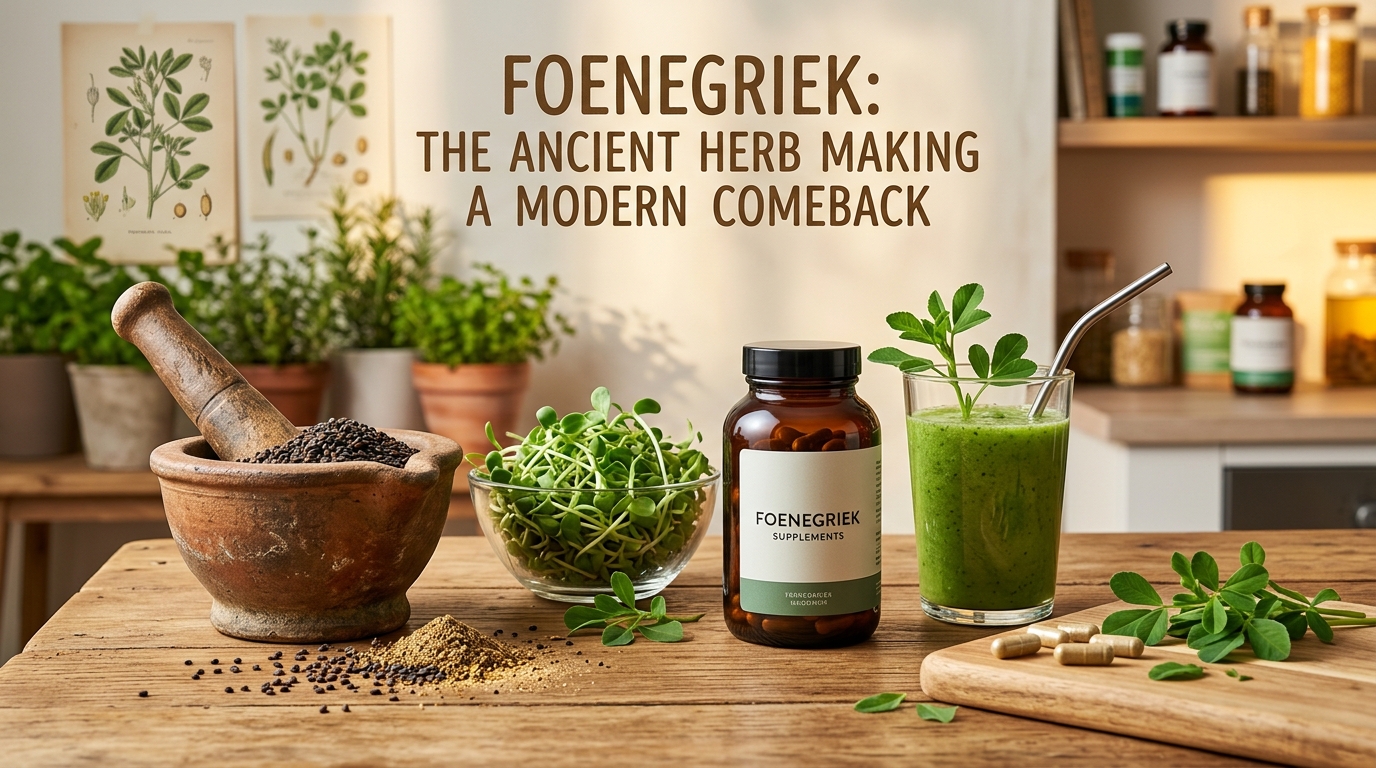
Foenegriek has quietly returned to modern kitchens and wellness routines after thousands of years of use. Known internationally as fenugreek, this small legume carries a history stretching back to ancient Egypt and Greece. Consequently, its rediscovery today reflects a broader cultural shift toward traditional, plant-based remedies. Furthermore, foenegriek bridges ancient herbal wisdom with contemporary interest in natural nutrition and wellness. This article explores the herb’s origins, uses, and reasons behind its renewed popularity worldwide.
What Exactly Is Foenegriek?
Foenegriek, scientifically named Trigonella foenum-graecum, belongs to the legume family alongside peas and lentils. This annual plant typically grows between thirty and sixty centimeters tall in warm climates. Its slender pods contain small, golden-brown seeds prized for their distinctive nutty, slightly bitter flavor. Meanwhile, the plant’s green leaves offer a milder taste, often used fresh or dried. Both components serve culinary and medicinal purposes across many different cultures and traditions. Additionally, the seeds release a warm, maple-like aroma when toasted or ground into powder. This unique combination of flavor and fragrance explains its widespread use in spice blends. Therefore, foenegriek occupies a distinctive place among the world’s most versatile culinary herbs.
An Ancient History Spanning Continents
Foenegriek ranks among the oldest cultivated herbs known to human civilization and agriculture. Archaeological evidence suggests ancient Egyptians used it for both medicine and embalming practices. In fact, foenegriek seeds appeared in the tomb of Pharaoh Tutankhamun, highlighting their historical significance. Similarly, the Greeks and Romans valued this plant, primarily as nutritious fodder for livestock. This practical use gave rise to its Latin name, foenum-graecum, meaning “Greek hay.” Meanwhile, traders carried the herb along ancient trade routes into India and beyond. Consequently, foenegriek became deeply woven into South Asian culinary and medicinal traditions over centuries. Today, this remarkable journey across continents still shapes how different cultures use it.
Traditional Medicinal Uses Across Cultures
Ayurvedic medicine has long incorporated foenegriek to address digestive, respiratory, and hormonal health concerns. Practitioners traditionally used the seeds to balance internal energies and support overall bodily function. Similarly, traditional Chinese medicine valued foenegriek for supporting kidney health and boosting energy levels. In the Middle East and North Africa, healers used it to soothe digestive discomfort naturally. Additionally, many cultures associated foenegriek with warmth, often consuming it during colder winter months. This widespread traditional use across unrelated regions suggests genuine, observed benefits passed through generations. Furthermore, its consistent presence in multiple healing systems reflects remarkable cultural and historical staying power. Consequently, modern researchers now study these traditional applications through a contemporary scientific lens.
Nutritional Profile and Active Compounds
Foenegriek seeds pack a genuinely impressive nutritional profile into a remarkably small package. They contain notable amounts of iron, magnesium, and manganese, supporting various bodily functions. Additionally, the seeds offer substantial dietary fiber, which supports healthy digestion and satiety. Beyond basic nutrients, foenegriek contains bioactive compounds like saponins and flavonoids with therapeutic potential. These compounds contribute to the herb’s reputation for supporting blood sugar regulation and metabolic health. Moreover, some research suggests foenegriek may possess mild anti-inflammatory properties worth further scientific investigation. However, most robust research remains ongoing, and results vary depending on dosage and preparation methods. Therefore, understanding foenegriek’s nutritional value helps explain its enduring appeal among health-conscious consumers today.
Culinary Applications Around the World
Foenegriek plays a starring role in cuisines stretching from India to North Africa. Indian cooking frequently incorporates the seeds into spice blends, including the popular mixture garam masala. Meanwhile, the fresh leaves, often called methi, appear in curries, flatbreads, and vegetable dishes. In the Middle East, cooks use foenegriek to flavor stews, sauces, and traditional spice pastes. Ethiopian cuisine also features this herb prominently within its complex, aromatic spice combinations. Additionally, some cultures sprout the seeds, adding a fresh, slightly crunchy texture to salads. The seeds’ bitterness mellows considerably when toasted, unlocking a deeper, more complex flavor profile. Consequently, foenegriek offers remarkable culinary versatility across sweet, savory, and medicinal preparations alike.
Growing Interest in Modern Wellness Circles
Contemporary wellness culture has rediscovered foenegriek as part of a broader return to herbalism. Many supplement companies now market fenugreek capsules and extracts for various health applications. Additionally, foenegriek tea has gained popularity among people seeking gentle, natural digestive support. Fitness communities sometimes use it to support metabolic health and hormonal balance during training. Furthermore, some skincare and haircare products now include foenegriek extract for its nourishing properties. This renewed interest reflects growing consumer demand for ingredients with genuine historical and cultural backing. Unlike synthetic alternatives, foenegriek offers centuries of documented traditional use across diverse populations. Consequently, its authenticity resonates strongly with people seeking meaningful connections to natural remedies.
How to Incorporate Foenegriek Into Daily Life
Adding foenegriek to your routine requires minimal effort, given its versatility across different forms. Ground seeds work well sprinkled into curries, soups, or homemade spice blends at home. Alternatively, whole seeds can steep in hot water, creating a warming, aromatic herbal tea. Fresh or dried leaves add distinctive flavor when cooked alongside vegetables or incorporated into flatbreads. For those preferring convenience, capsules and extracts offer a standardized, measured way to consume it. However, starting with smaller amounts allows your body to adjust gradually over time. Additionally, toasting the seeds lightly before use helps reduce their natural bitterness significantly. Therefore, experimenting with different preparation methods helps you discover your preferred way to enjoy foenegriek.
Important Considerations Before Use
Despite its long history, foenegriek isn’t necessarily suitable for everyone without proper consideration. Pregnant individuals should exercise particular caution, since the herb may stimulate uterine contractions. Additionally, people taking blood-thinning or blood sugar medications should consult a doctor beforehand. Foenegriek may interact with certain medications, potentially amplifying or interfering with their intended effects. Some individuals also report mild digestive discomfort when first introducing the herb into their diet. Therefore, starting with small quantities allows you to monitor your body’s individual response carefully. Furthermore, sourcing high-quality foenegriek from reputable suppliers ensures better safety and consistent potency. Consulting a healthcare provider remains wise before adding any new herb to your routine.
Why Foenegriek Resonates With Modern Consumers
Several factors explain why foenegriek has found renewed relevance among today’s health-conscious shoppers. First, growing skepticism toward synthetic supplements has pushed consumers toward time-tested natural alternatives instead. Additionally, foenegriek’s documented multicultural history lends it credibility that newer, trendier ingredients often lack. Its dual role as both food and medicine also appeals to holistic wellness philosophies. Moreover, social media has helped introduce foenegriek to audiences unfamiliar with traditional herbal remedies. Home cooks experimenting with global cuisines frequently encounter this herb through authentic international recipes. Consequently, culinary curiosity often becomes the gateway toward broader interest in its wellness applications. This combination of authenticity, versatility, and cultural depth explains its lasting modern appeal.
The Future of Foenegriek in Global Markets
Looking forward, foenegriek’s popularity shows genuine potential for continued growth across global markets. Increasing scientific interest may validate additional traditional uses through more rigorous, controlled clinical studies. Meanwhile, sustainable farming practices could help meet rising demand without compromising environmental responsibility. Additionally, food and supplement companies continue developing innovative products featuring this versatile, ancient ingredient. As consumers increasingly value transparency and tradition, foenegriek’s authentic story offers genuine market appeal. Furthermore, its adaptability across cuisines and wellness applications positions it well for continued relevance. Therefore, this ancient herb seems poised to remain culturally and commercially significant for years ahead. Its remarkable journey from pharaoh’s tomb to modern kitchen shows no signs of ending soon.