
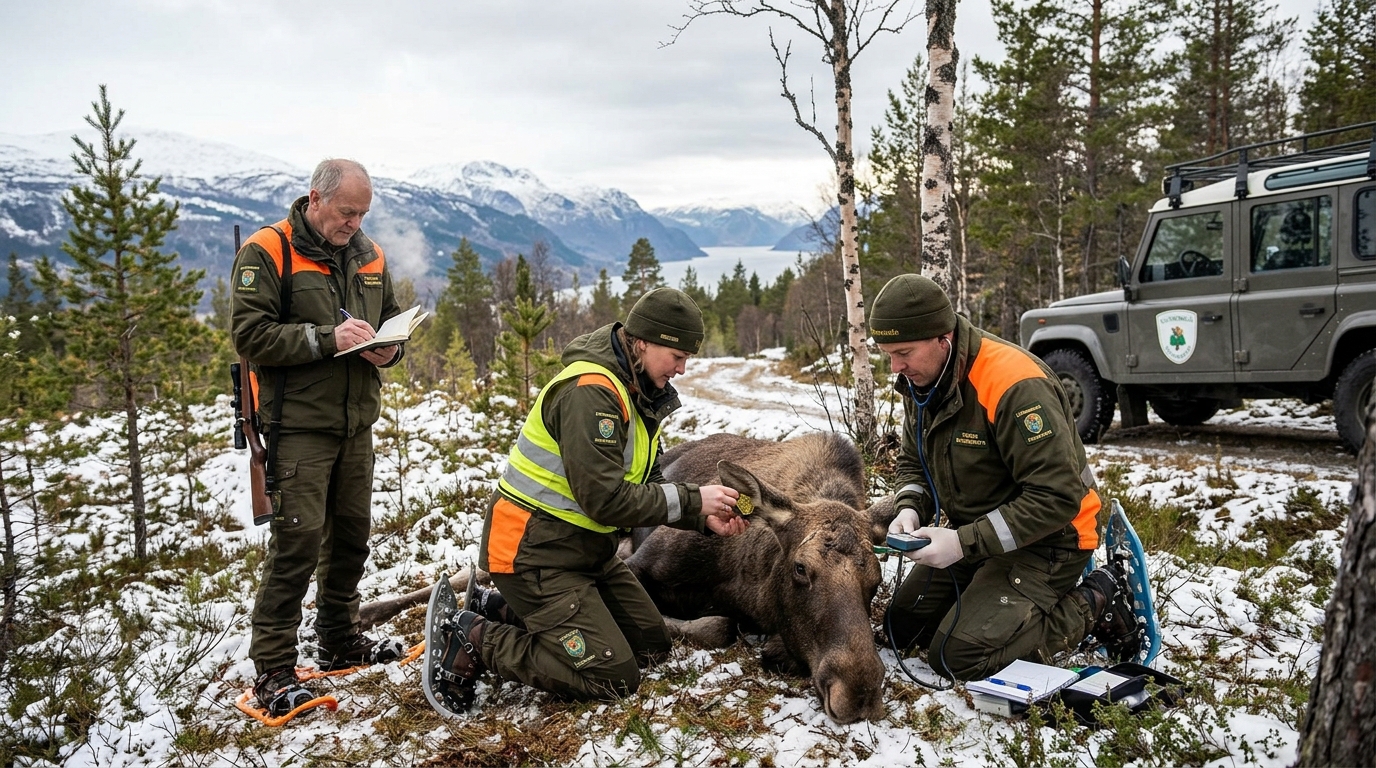
Viltnemnda plays a quiet but essential role in how Norwegian municipalities manage wildlife, hunting, and ecological balance. Most people outside Norway have never heard this term, yet it shapes rural life across the country. Essentially, Viltnemnda refers to a local wildlife committee operating under municipal authority and national wildlife legislation. This article explains exactly what the committee does, why it matters, and how it fits within Norway’s broader environmental governance system. By the end, readers will understand the practical, everyday significance behind this often-overlooked institution.
What Is Viltnemnda?
Viltnemnda translates directly to “wildlife committee” or “game board” in English, reflecting its core function. Norwegian municipalities establish these committees to oversee wildlife management within their specific geographic boundaries. Typically, elected officials or appointed local representatives serve on the committee, bringing varied expertise to the table. Members often include farmers, hunters, foresters, and individuals with backgrounds in environmental science or land management. Consequently, the committee blends practical local knowledge with broader ecological awareness when making decisions. Unlike national environmental agencies, Viltnemnda focuses specifically on issues affecting its own municipality rather than the entire country. This localized approach allows decisions to reflect actual conditions on the ground, including animal populations and habitat quality.
The Legal Foundation Behind Viltnemnda
Norway’s Wildlife Act, known locally as Viltloven, establishes the legal framework that governs wildlife management nationwide. Under this legislation, municipalities receive authority to regulate hunting, manage populations, and protect habitats within their borders. As a result, Viltnemnda operates as a direct extension of national policy, adapted for local circumstances. The law requires committees to balance conservation goals with practical concerns like agricultural damage and traffic safety. Moreover, Viltloven sets specific guidelines for hunting seasons, quotas, and licensing procedures that committees must follow. While national authorities establish broad rules, Viltnemnda interprets and applies them according to local ecological realities. Therefore, two neighboring municipalities might enforce slightly different regulations depending on their unique wildlife populations and land use patterns.
Core Responsibilities of the Wildlife Committee
Viltnemnda handles several interconnected tasks that directly affect both wildlife populations and human communities. First, the committee determines local hunting quotas for species like moose, deer, and roe deer each season. Setting these quotas requires careful population monitoring, since overhunting or underhunting both create ecological problems. Second, committees issue hunting licenses and ensure hunters follow proper regulations regarding equipment, timing, and reporting. Third, Viltnemnda addresses wildlife damage compensation, particularly when animals harm crops, livestock, or private property. Farmers frequently rely on this process when wild deer or moose damage fields during growing seasons. Fourth, the committee monitors broader population trends, tracking whether species numbers remain healthy or require intervention. Fifth, Viltnemnda often collaborates with landowners to manage habitat quality, since healthy ecosystems support sustainable wildlife populations long-term. Together, these responsibilities create a comprehensive management system that balances multiple competing interests within each municipality.
How Viltnemnda Sets Hunting Quotas
Quota-setting represents one of the most visible and consequential duties handled by local wildlife committees. Each year, Viltnemnda reviews population data gathered through hunter reports, aerial surveys, and field observations. Subsequently, the committee calculates sustainable harvest numbers designed to maintain healthy population levels without causing decline. Moose management, in particular, demands careful attention, since Norway’s moose population significantly affects forestry and road safety. Too many moose can damage young forest plantations, while too few disrupt traditional hunting culture and local food systems. Meanwhile, deer populations require similar scrutiny, especially in regions experiencing rapid growth or habitat loss. Once Viltnemnda finalizes quotas, hunters must follow strict reporting requirements after each successful harvest. This data then feeds back into next year’s planning process, creating a continuous cycle of monitoring and adjustment. Through this method, committees aim to prevent both ecological damage and unnecessary restrictions on traditional hunting practices.
Wildlife Damage and Compensation Claims
Agricultural communities across Norway regularly interact with Viltnemnda when wildlife causes property or crop damage. Farmers experiencing losses from deer, moose, or other protected species can file formal compensation claims through the committee. Afterward, Viltnemnda investigates each claim, assessing damage severity and determining appropriate financial compensation when warranted. This process protects farmers from bearing the full economic burden of wildlife protection policies. Simultaneously, it encourages tolerance for wildlife populations that might otherwise face pressure for more aggressive culling. Beyond agricultural damage, the committee sometimes addresses traffic collisions involving large animals like moose or deer. Norway experiences thousands of wildlife-vehicle collisions annually, making this an ongoing safety and management concern. Consequently, Viltnemnda often coordinates with road authorities to identify high-risk areas and implement preventive measures. These might include warning signs, fencing, or adjusted hunting pressure in collision-prone zones.
The Role of Local Knowledge in Decision-Making
Unlike centralized environmental agencies, Viltnemnda benefits enormously from members possessing deep local ecological knowledge. Committee members often live in the communities they serve, giving them firsthand familiarity with seasonal animal behavior. This lived experience helps the committee make nuanced decisions that purely statistical approaches might overlook entirely. For instance, local hunters can identify unusual population shifts before official surveys detect broader trends. Similarly, farmers understand exactly which fields or pastures experience recurring wildlife pressure throughout the year. Because of this grassroots involvement, Viltnemnda decisions often enjoy stronger community trust compared to distant bureaucratic mandates. However, this localized structure also creates challenges, since personal relationships and local politics can occasionally influence outcomes. Despite these tensions, most Norwegian municipalities view the committee system as a generally effective governance model.
Viltnemnda and Norway’s Conservation Goals
While hunting management remains central to its mission, Viltnemnda also contributes meaningfully to broader conservation objectives. The committee monitors threatened or vulnerable species, ensuring local activities don’t undermine national biodiversity goals. Additionally, Viltnemnda often participates in habitat restoration projects, particularly in areas affected by development or agriculture. Wetland protection, forest corridor preservation, and predator management all fall within the committee’s broader scope. Norway’s predator populations, including wolves, bears, and lynx, generate particularly intense debate at both local and national levels. Viltnemnda frequently mediates between conservation advocates and farmers concerned about livestock predation risks. This balancing act requires careful diplomacy, since both groups bring legitimate, deeply held concerns to the table. Ultimately, the committee strives to maintain ecological balance while respecting the livelihoods and traditions of rural communities.
Challenges Facing Modern Viltnemnda Committees
Like many local governance bodies, Viltnemnda faces evolving challenges as Norway’s landscape and climate continue changing. Climate change increasingly affects migration patterns, breeding cycles, and habitat availability for many wildlife species. Consequently, committees must adapt traditional management approaches to address these shifting ecological conditions. Urban expansion also creates new friction points, as development encroaches on previously undisturbed wildlife habitat. Furthermore, younger generations show declining interest in traditional hunting, raising long-term questions about community engagement with wildlife management. Funding limitations sometimes restrict how thoroughly committees can monitor populations or investigate damage claims. Despite these obstacles, Viltnemnda continues adapting through improved data collection methods and closer collaboration with national agencies. Many municipalities now incorporate digital reporting tools, making population tracking more accurate and efficient than previous decades allowed.
How Viltnemnda Differs from National Wildlife Agencies
Understanding the distinction between local committees and national bodies clarifies Norway’s overall wildlife governance structure. The Norwegian Environment Agency, known as Miljødirektoratet, handles broad national policy, research, and species protection frameworks. In contrast, Viltnemnda implements these policies at the municipal level, addressing specific local conditions and concerns. National agencies typically focus on long-term ecological research, international agreements, and protecting endangered species nationwide. Meanwhile, local committees manage day-to-day practical matters like licensing, quotas, and damage compensation within their jurisdictions. This division of labor allows Norway to maintain consistent national standards while preserving flexibility for regional differences. Without local committees, national policies might feel disconnected from the realities facing individual farming and hunting communities. Therefore, both levels of governance depend on each other to create an effective, responsive wildlife management system.
Why Viltnemnda Matters Beyond Norway’s Borders
International observers studying wildlife governance often look to Norway’s decentralized model with genuine interest. Many countries struggle with centralized systems that feel disconnected from local ecological and economic realities. Viltnemnda demonstrates how combining local knowledge with national legal frameworks can produce balanced, practical outcomes. Other nations managing similar challenges, such as deer overpopulation or human-wildlife conflict, study this approach closely. Additionally, Norway’s emphasis on sustainable hunting alongside conservation offers a useful model for resource management elsewhere. Countries with strong rural hunting traditions, including parts of Scandinavia and North America, share comparable governance challenges. Consequently, Viltnemnda’s structure provides valuable lessons about balancing tradition, ecology, and local democratic participation. This makes the committee relevant not just to Norwegian citizens but to policymakers studying wildlife governance worldwide.
Conclusion
Viltnemnda represents a practical, locally grounded approach to wildlife management within Norway’s broader environmental framework. Through quota-setting, damage compensation, and habitat oversight, the committee balances ecological health with human livelihoods. Local knowledge strengthens decision-making, even as climate change and shifting demographics introduce new challenges ahead. Working alongside national agencies, Viltnemnda ensures wildlife policy remains both consistent and responsive to local conditions. Ultimately, this committee system reflects Norway’s broader commitment to sustainable, community-driven environmental governance. For anyone studying rural administration or wildlife conservation, Viltnemnda offers a compelling, real-world example worth understanding.